


Morning, CEO!
xAI went from zero to $50 billion valuation in under 4 years. They built the world’s largest AI compute cluster in 122 days. They’re deploying AI employees that work 8x faster than humans.
An engineer who worked there just spilled everything in a 70-minute podcast. Then got fired three days later.
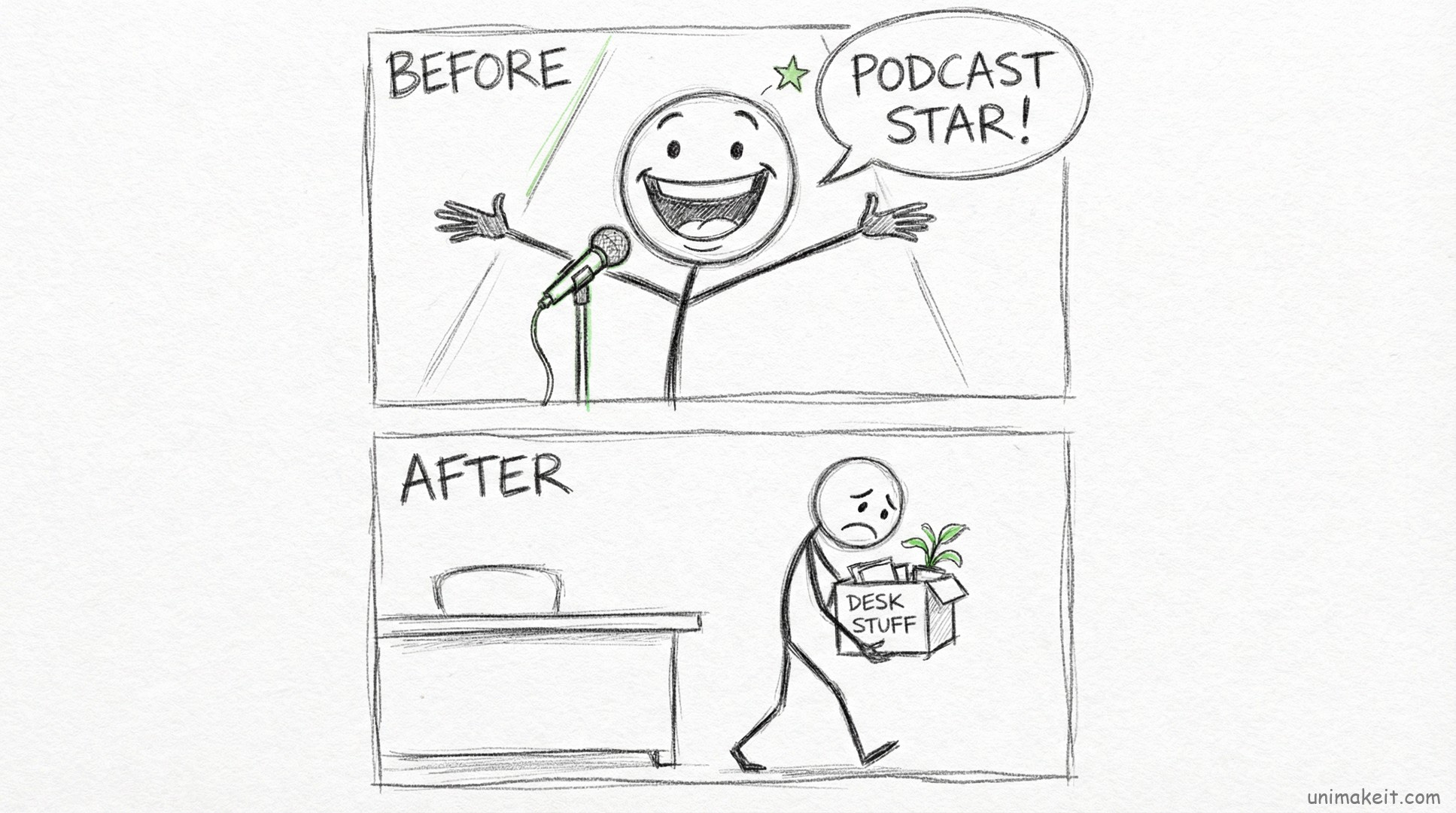
But before he left, he handed us their playbook. Let’s steal it.
The Speed vs. Smarts Fork in the Road
Every AI company faces the same question early on: Do we build the smartest possible model, or the fastest?
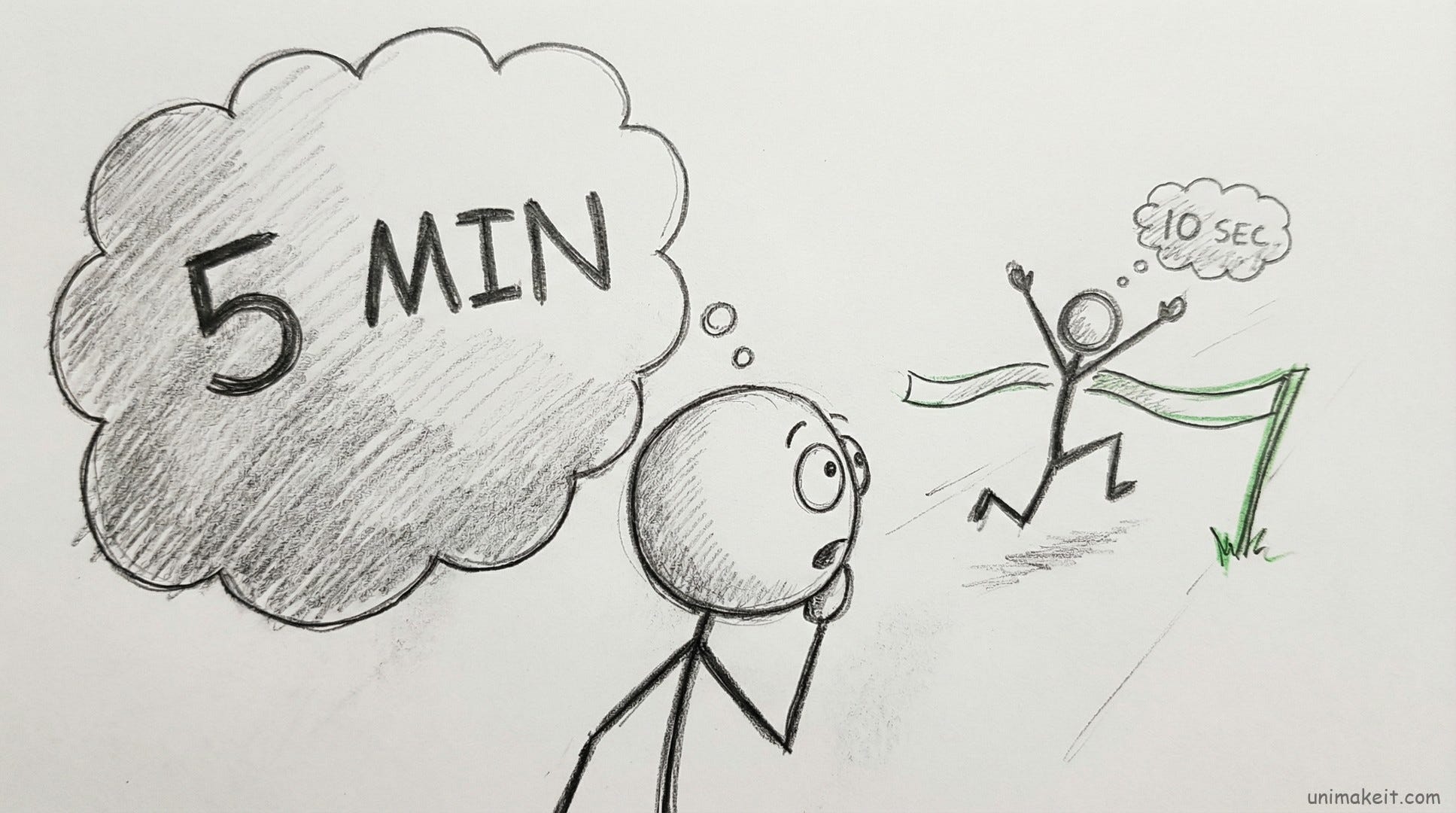
Most companies pick “smartest.” It’s sexier. Better for fundraising. OpenAI and Anthropic are racing to build models that think for 5 minutes before responding, producing essays that make you go “whoa, that’s impressive.”
xAI picked fast.
Their internal models run 8x faster than a human. Not 8x faster than other AIs—8x faster than an actual person doing the same task.
Here’s the fork they faced:
Option A: Build a huge model that can reason deeply, impress demos, win benchmarks. Deploy to maybe 10,000 users because inference costs are insane.
Option B: Build a small model that’s “good enough,” runs dirt cheap, and deploy to 1 million users tomorrow.
They picked B. And here’s what they gave up:
They can’t claim to have the “most intelligent” AI. When people compare models, xAI’s won’t top the charts. They won’t win the benchmark wars. Their demos won’t make people gasp.
But here’s what they got:
They can actually deploy at scale. While competitors are still figuring out how to afford serving their models, xAI can run theirs on Tesla car computers. While others need 5 minutes to think, xAI responds in 10 seconds.
The math is brutal: If your AI needs 5 minutes to do a task a human does in 5 minutes, nobody uses it. If your AI does it in 30 seconds, everyone uses it.
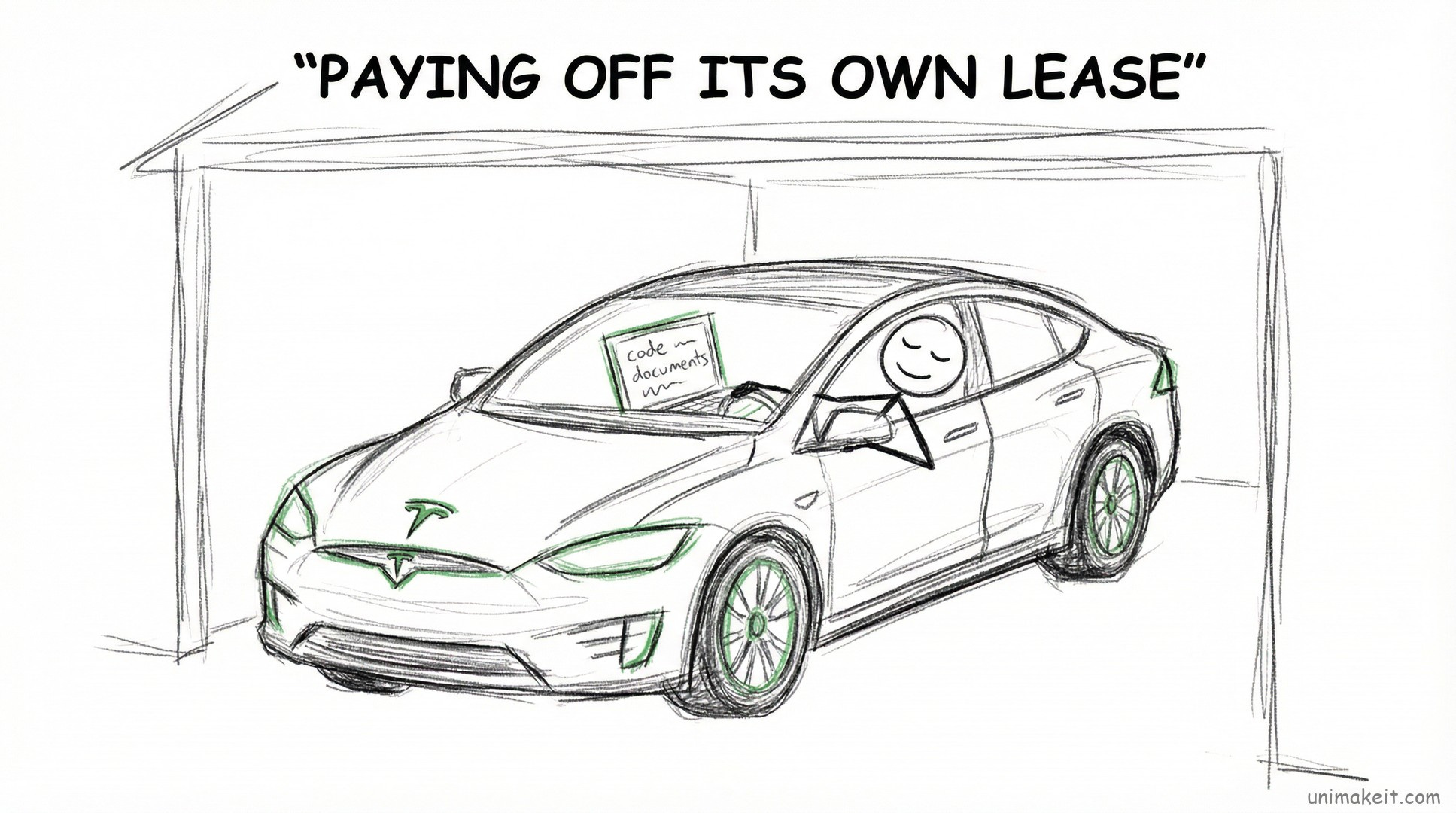
Sully mentioned they’re doing the same thing Tesla did with Full Self-Driving. Tesla didn’t build the biggest neural network. They built the smallest one that works, because it had to fit in a car.
Same logic: What’s the smallest model that can actually do the job?
This created a second-order effect they didn’t expect: small models iterate faster. Training a small model takes days, not weeks. They can run 20 experiments in parallel. They can test a new approach in the morning and deploy it that night.
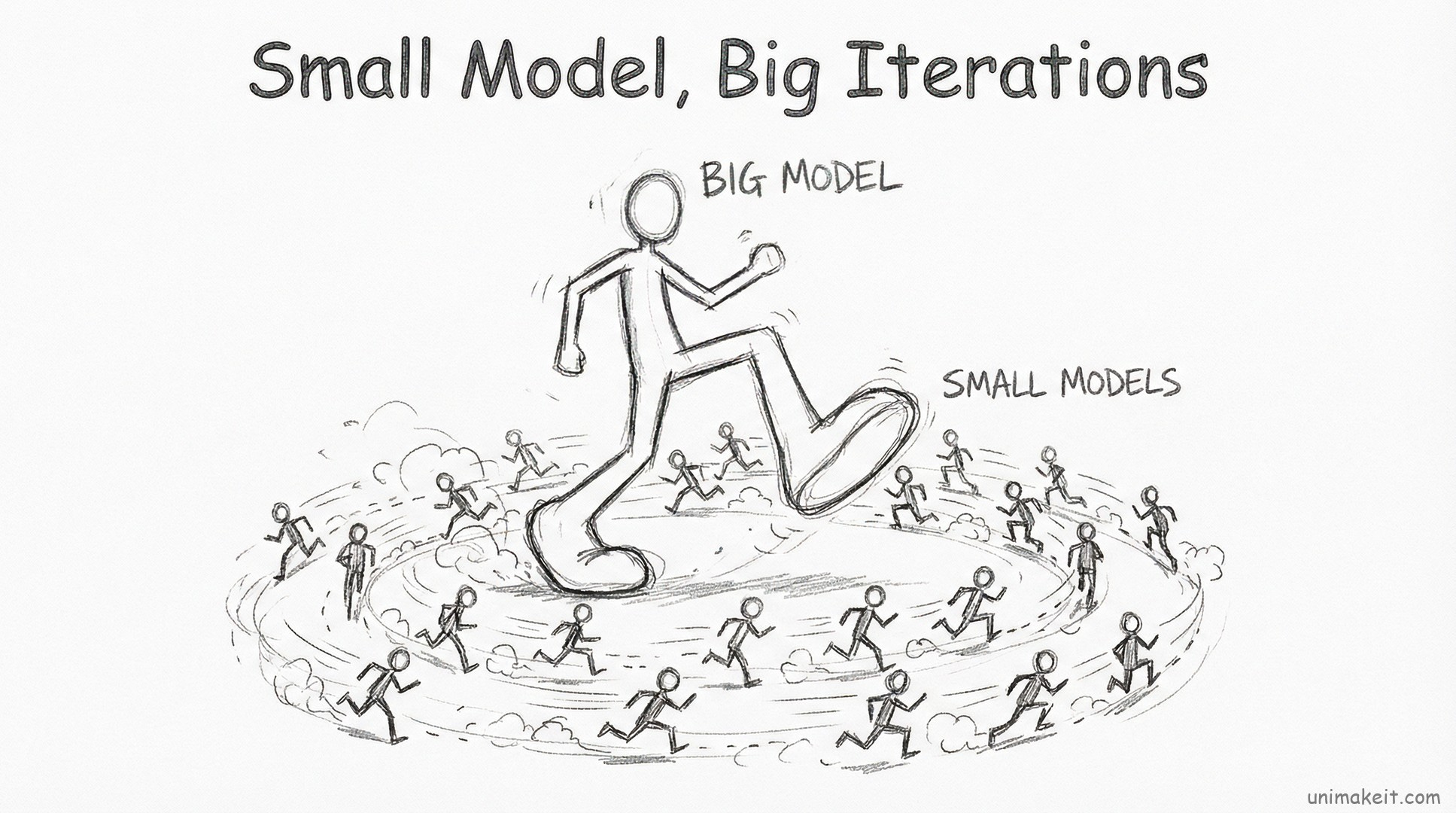
While competitors spend months perfecting one big model, xAI ships 20 “pretty good” versions and learns what actually works.

Here’s the question for your own work:
When you’re building something—a presentation, a strategy, a new process—are you optimizing for “impressively smart” or “actually useful”?
Because those are different goals. And only one of them ships.
The Carnival Generator Gambit
xAI needed to build a massive data center in Memphis. Fast.
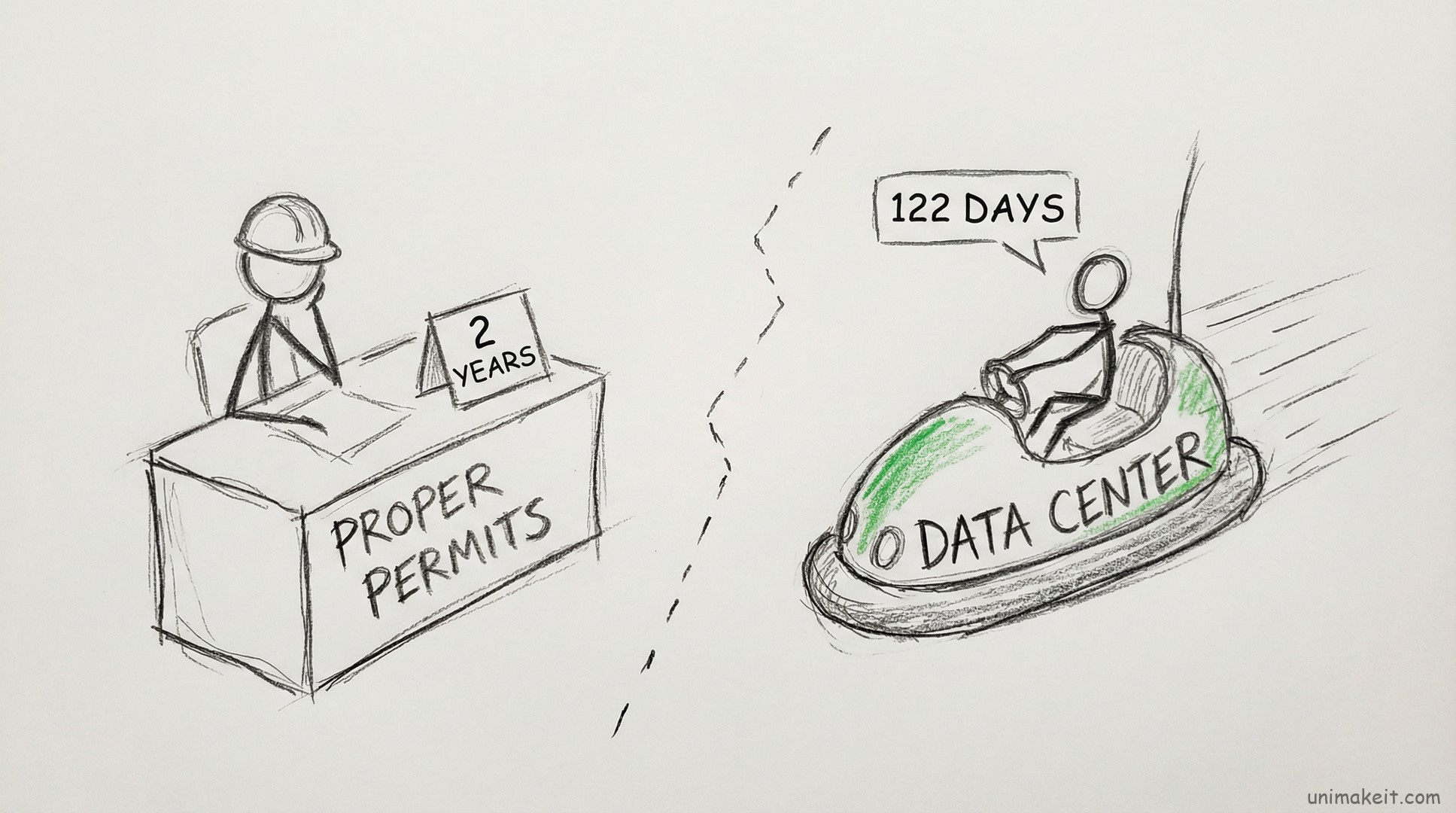
Standard timeline: 2+ years. Permits, environmental reviews, utility approvals, construction.
They had a choice:
Option A: Follow the proper process. Apply for industrial permits. Wait 18-24 months for approvals. Build a permanent, compliant facility.
Option B: Find a loophole.
Their lawyers discovered that “temporary events” like carnivals can use mobile generators without lengthy environmental approvals.
So xAI rented carnival generators, put them on trailers, and classified the entire data center as a “temporary facility.”
They built the world’s largest AI compute cluster using carnival equipment in 122 days.
Here’s what they traded:
They gave up legal certainty. The EPA is now investigating. They might face fines. They might be forced to rebuild properly. The “temporary lease” might become a permanent problem.
They gave up looking professional. There’s now a podcast where an engineer explains they’re basically running a carnival. Competitors can point and laugh. Investors might worry about regulatory risk.
But here’s what they got:
122 days instead of 730 days. That’s a 6X speed advantage. In AI, that’s multiple generations of models. That’s the difference between leading and following.

And here’s the part nobody talks about: by the time regulators figure out what to do, xAI will have already built three more data centers the “proper” way. The temporary one will have already paid for itself.
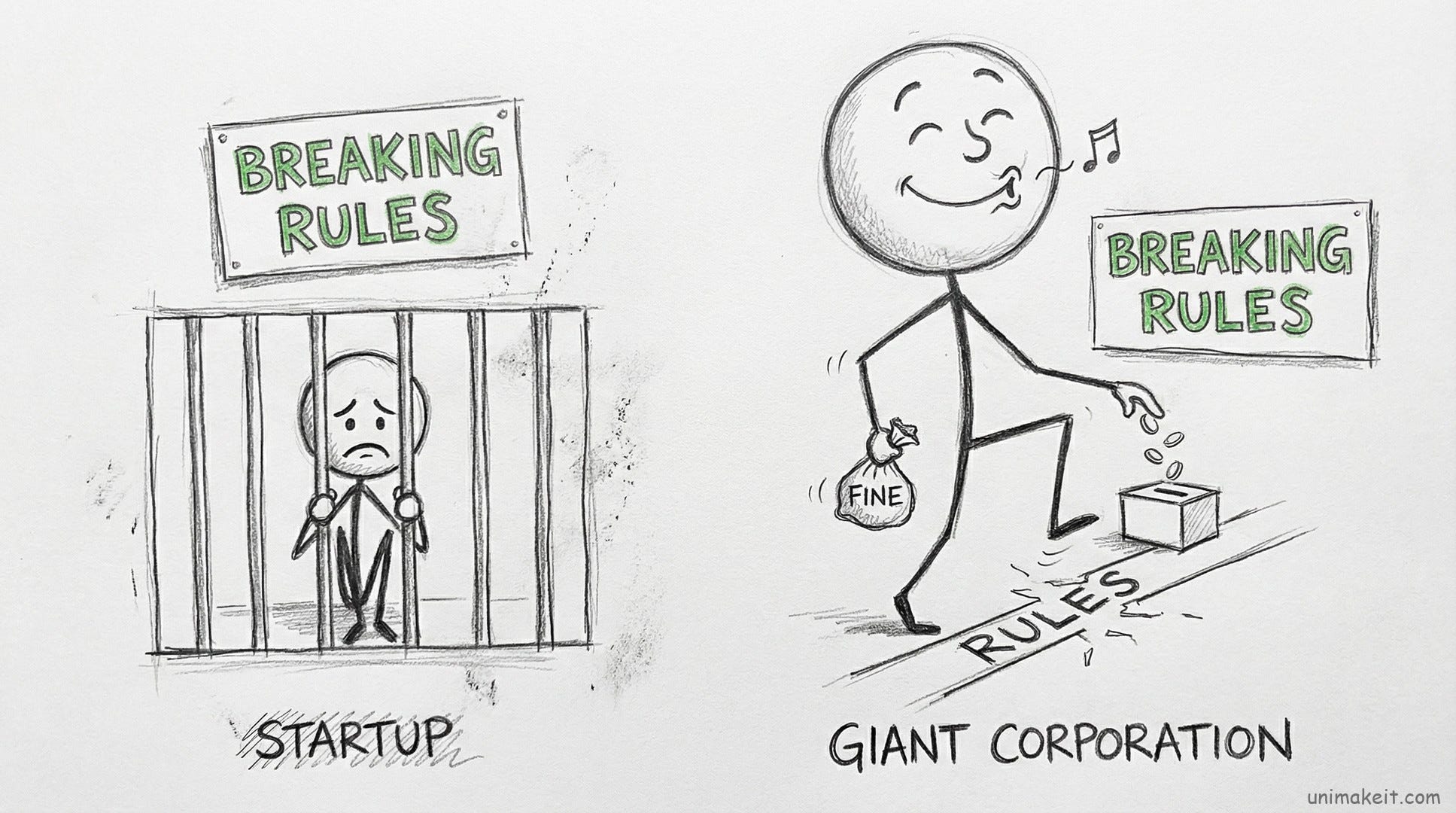
This is a pattern you see in every Musk company: Ask for forgiveness, not permission. But make sure you’re so far ahead by the time forgiveness is needed that it doesn’t matter.
SpaceX did this. Tesla did this. Now xAI is doing it.
But let’s be honest about the tradeoff: This only works if you can absorb the hit. If you’re a small startup and regulators come after you, you’re dead. If you’re xAI with billions in funding, you pay the fine and move on.
The question for your work isn’t “should I break rules?”.
The question is: What’s the “carnival generator” version of your project?
What’s the scrappy, probably-not-perfect-but-actually-works version you could ship in a week instead of waiting three months for the “proper” version?
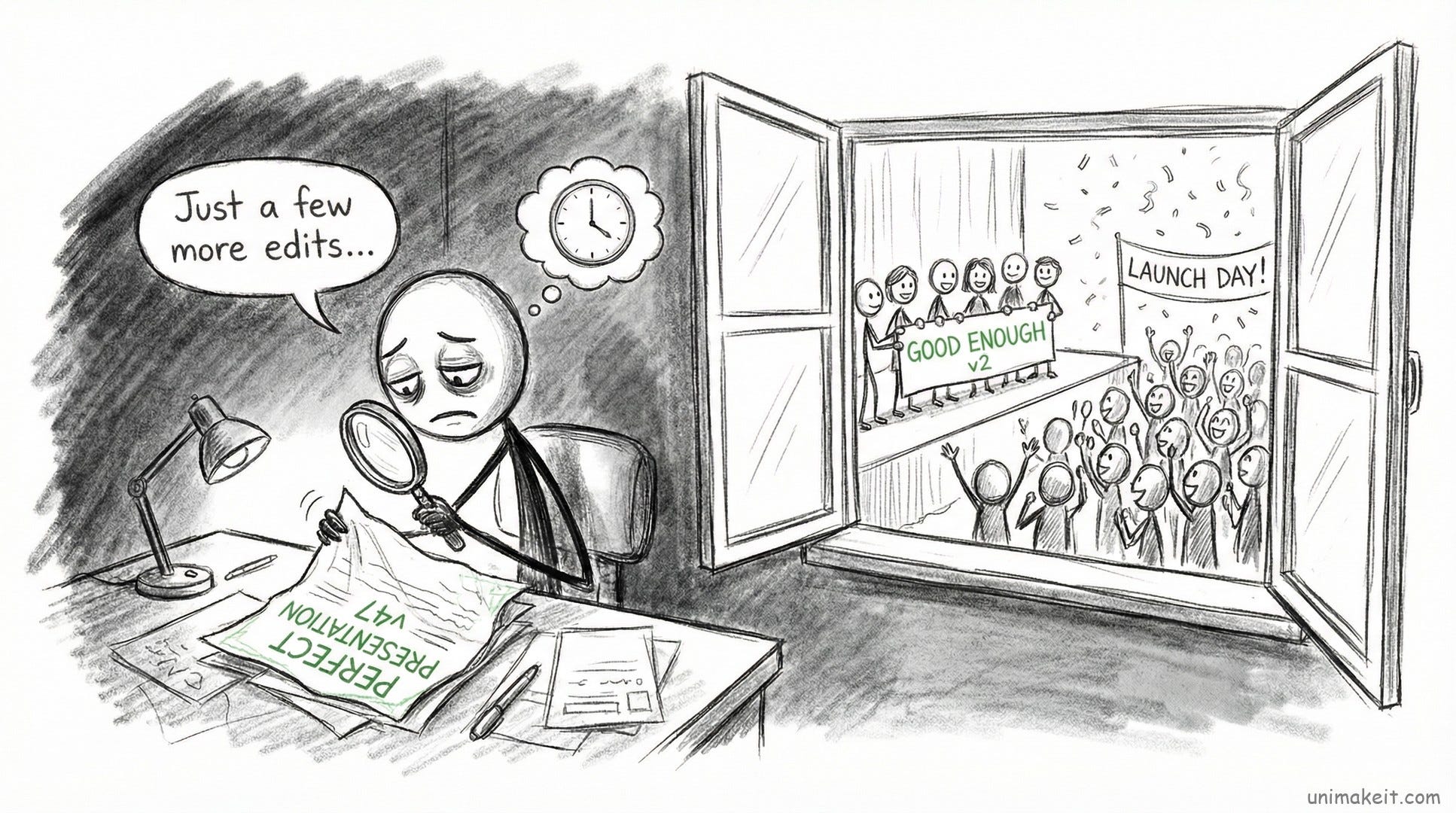
Maybe it’s using free tools instead of waiting for enterprise software approval. Maybe it’s manually doing something that “should” be automated, just to prove it works. Maybe it’s testing with 10 users instead of waiting to test with 1,000.
The proper version will come. But the carnival version teaches you if you’re even building the right thing.
The Loose Lips Paradox
Sully got fired for one reason: he told the world exactly how far xAI has gotten.
But here’s the paradox: Everything he said was obvious to competitors.
Every AI lab knows small models are an option. Everyone knows Tesla cars have unused compute. Everyone’s testing AI agents internally.
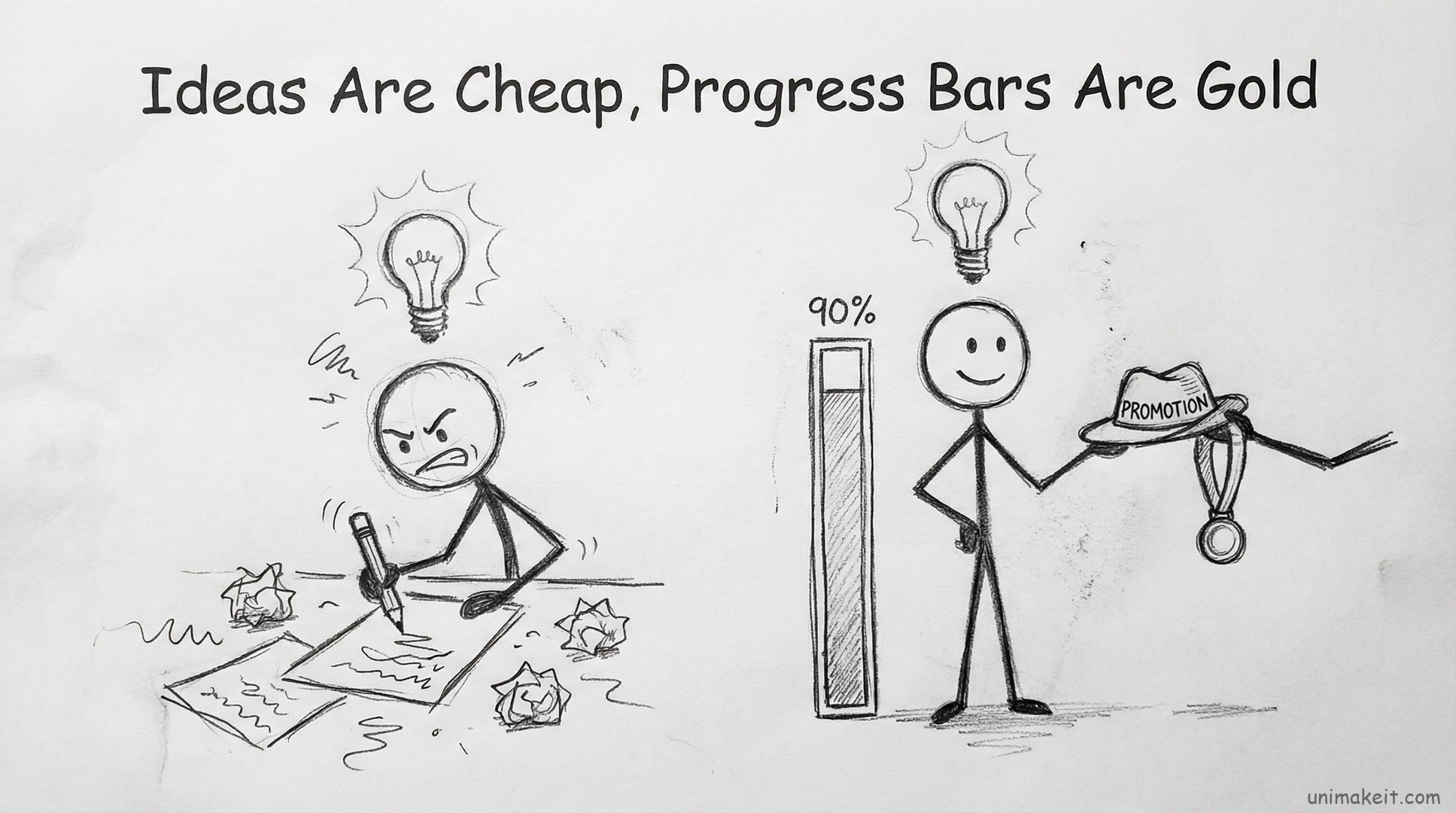
Sully didn’t leak secrets. He leaked the progress bar.
He told everyone xAI is already:
Running AI employees that fool humans
Achieving 8x human speed in production
Planning to deploy on Tesla’s car fleet
Iterating daily on new model architectures
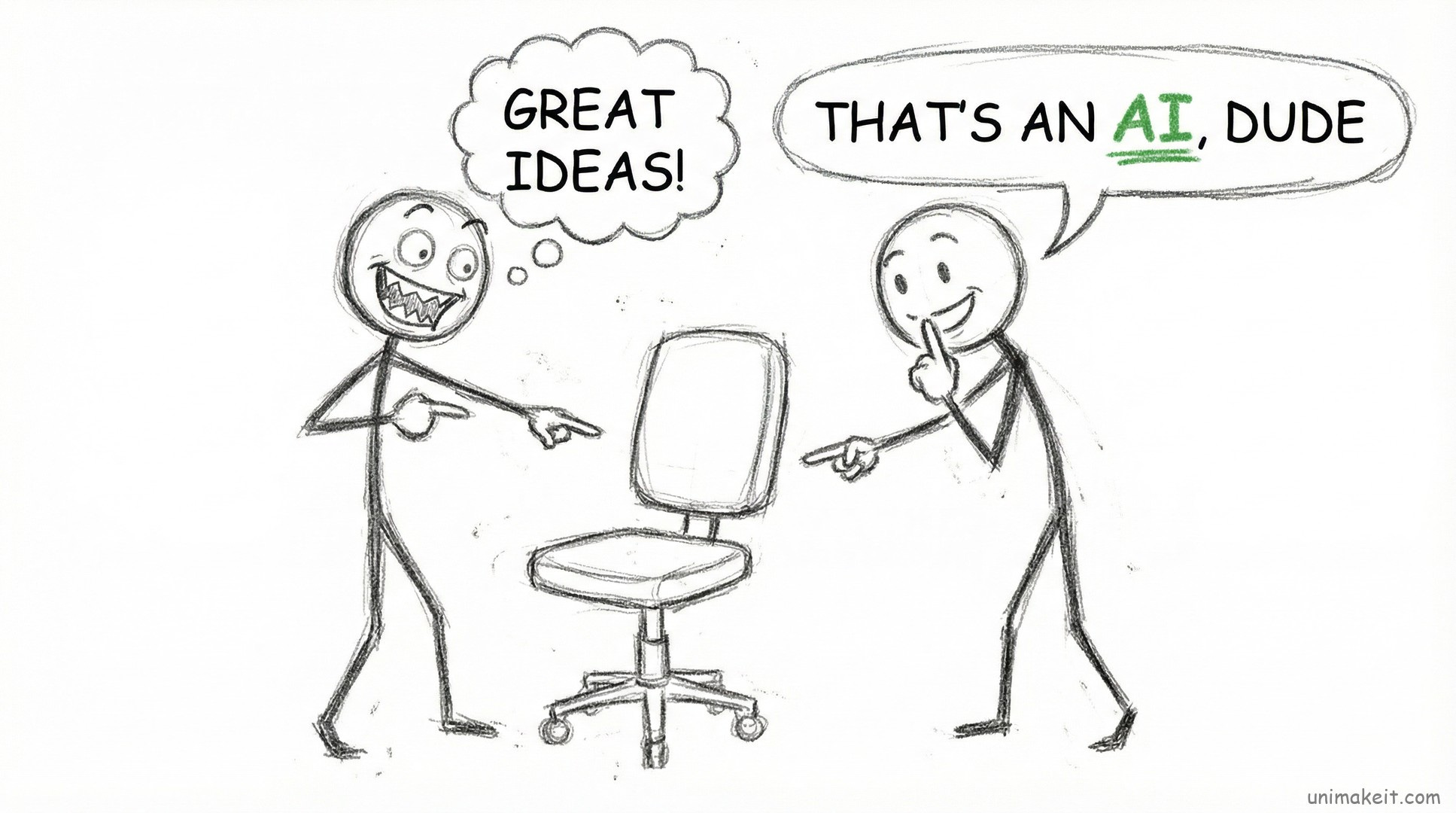
That last one is the killer. Competitors now know they’re not just behind—they know exactly how behind they are.
Here’s the fork Sully faced (probably without realizing it):
Option A: Stay quiet. Keep your head down. Ship great work in private. Build leverage through execution, not reputation.
Option B: Share openly. Build your personal brand. Attract opportunities. Show the world what you’re capable of.
Most advice tells you to pick B. “Build in public!” “Share your journey!” “Be authentic!”
And for 99% of people, 99% of the time, that’s right.
But there’s a threshold where openness becomes liability.
Sully crossed that threshold. He didn’t just share what he was working on (fine). He didn’t just share the approach (probably fine). He shared:
Exact progress milestones
Internal testing details
Competitive timelines
Legal gray areas
Product roadmaps
He essentially handed every competitor a checklist: “Here’s what you need to catch up to xAI.”
He built a great personal brand, got podcast fame, and inspired thousands of engineers. But he lost his job and possibly his industry reputation.
Now, was it worth it? Depends on what he wanted.
If he wanted to work at xAI long-term, obviously not. If he wanted to become a known voice in AI and start his own company? Maybe yes. That podcast will open doors. VCs will remember his name.
But he didn’t make that choice consciously. He just got excited and talked.
Here’s the framework that would have helped:
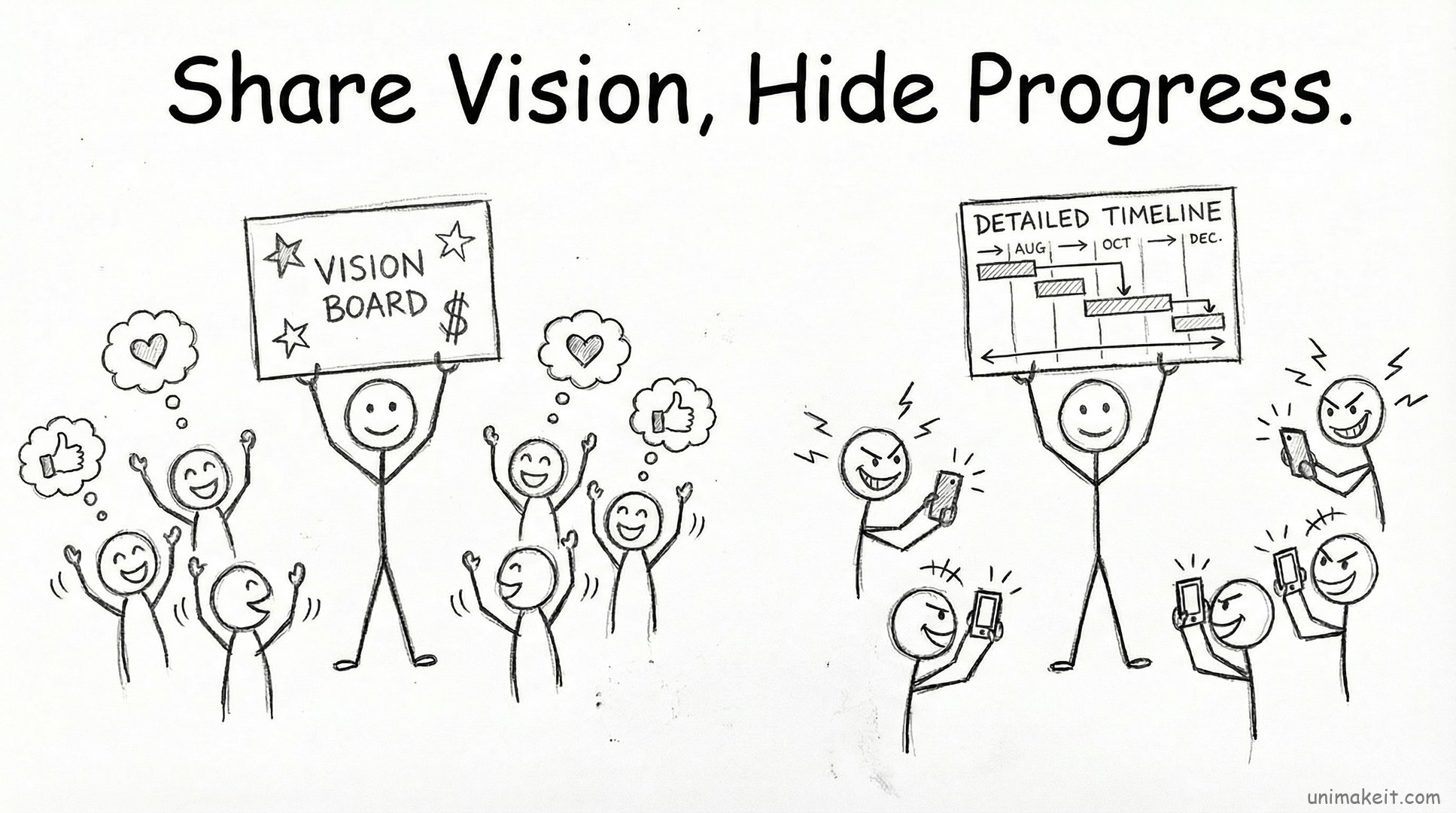
Share the vision freely. “We’re building AI that works 8x faster than humans”—that’s inspiring, not revealing.
Share the approach selectively. “We’re using smaller models for speed”—that’s interesting, not damaging.
Never share the progress bar. “We’re already running 20 internal AI employees” + “We’re deploying on Tesla cars” + “We iterate daily”—that’s a roadmap for competitors.
The question for your work:
When you’re tempted to share your project publicly—on LinkedIn, in meetings, in Slack—ask: Am I sharing to build support, or am I accidentally giving competitors my playbook?
Because there’s a point where transparency stops being helpful and starts being stupid.
Sully found that point. Three days too late.
Outro
xAI’s playbook is simple: choose speed over perfection, use carnival generators when you can’t get real ones, and guard your progress bar like your job depends on it.
Because it does.
Sully proved that. He built incredible things, inspired thousands of people, and lost his job in 72 hours.
Sometimes the best lessons come from watching someone else step on the landmine.
Links:
https://x.com/elonmusk
https://x.com/sulaimanghori
https://x.ai


