

Morning, CEO!
Imagine spending months building your product, then Anthropic drops a keynote that makes your roadmap obsolete. That’s what happened to Eigent in January 2026. Instead of folding, they posted a joke tweet that got 8.3k likes and 1.6M views. A day later, 1,000+ GitHub stars. Two weeks later, they’re #1 on GitHub Trending. Here’s how they pulled off what looks like magic but is actually just very good decision-making under pressure.
They Chose the “Wrong” Option (Which Made It Right)
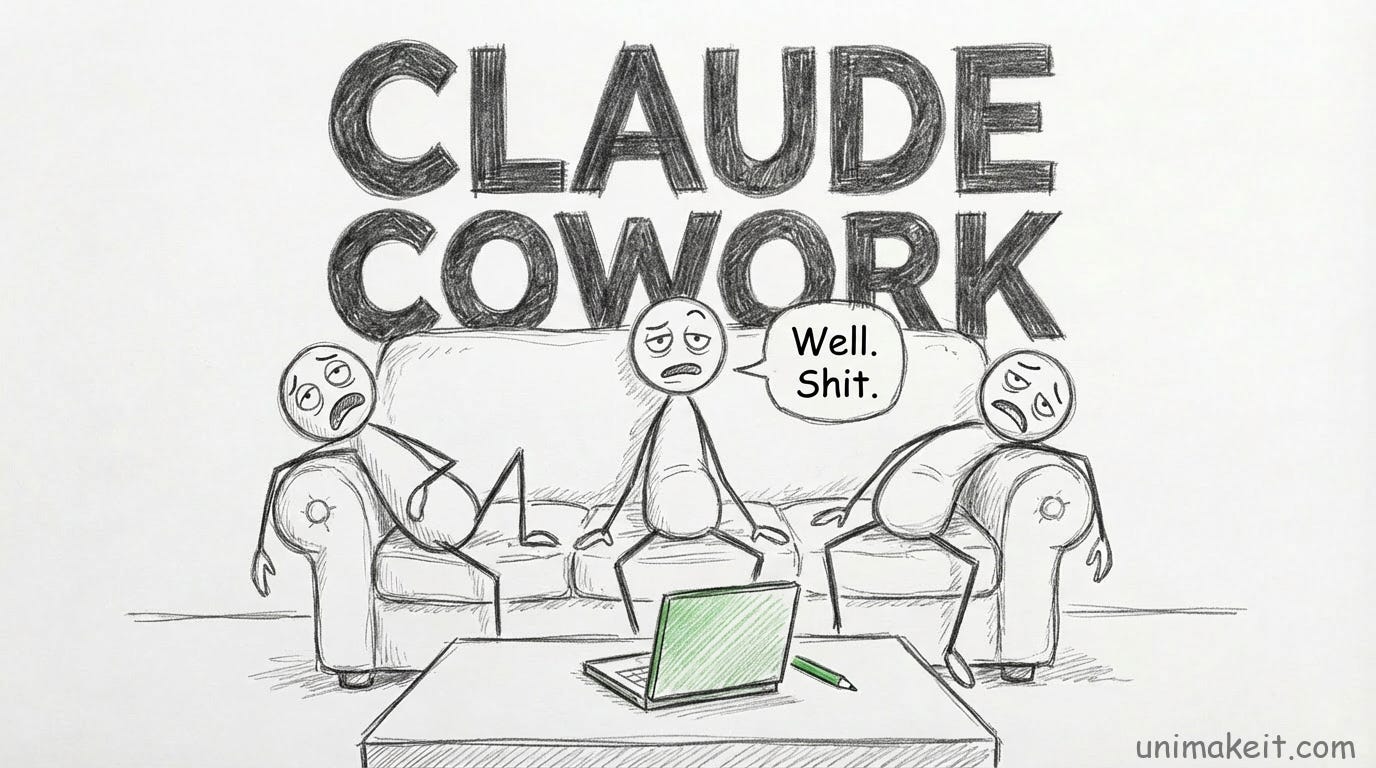
Late night, London.
Three co-founders sit in their living room after watching Claude Cowork launch.
The product they’ve been building? Anthropic just announced something eerily similar.
Here’s where most founders panic-pivot.
Or write a dramatic “we’re shutting down” post.
Or try to out-feature the giant (LOL).
Eigent did none of these.
They doubled down on open source.
Now, I know what you’re thinking.
“Open source? How do you compete with a well-funded closed product by... giving yours away?”
This sounds like bringing a knife to a gunfight.
Except it’s not.
Here’s what I missed for years:
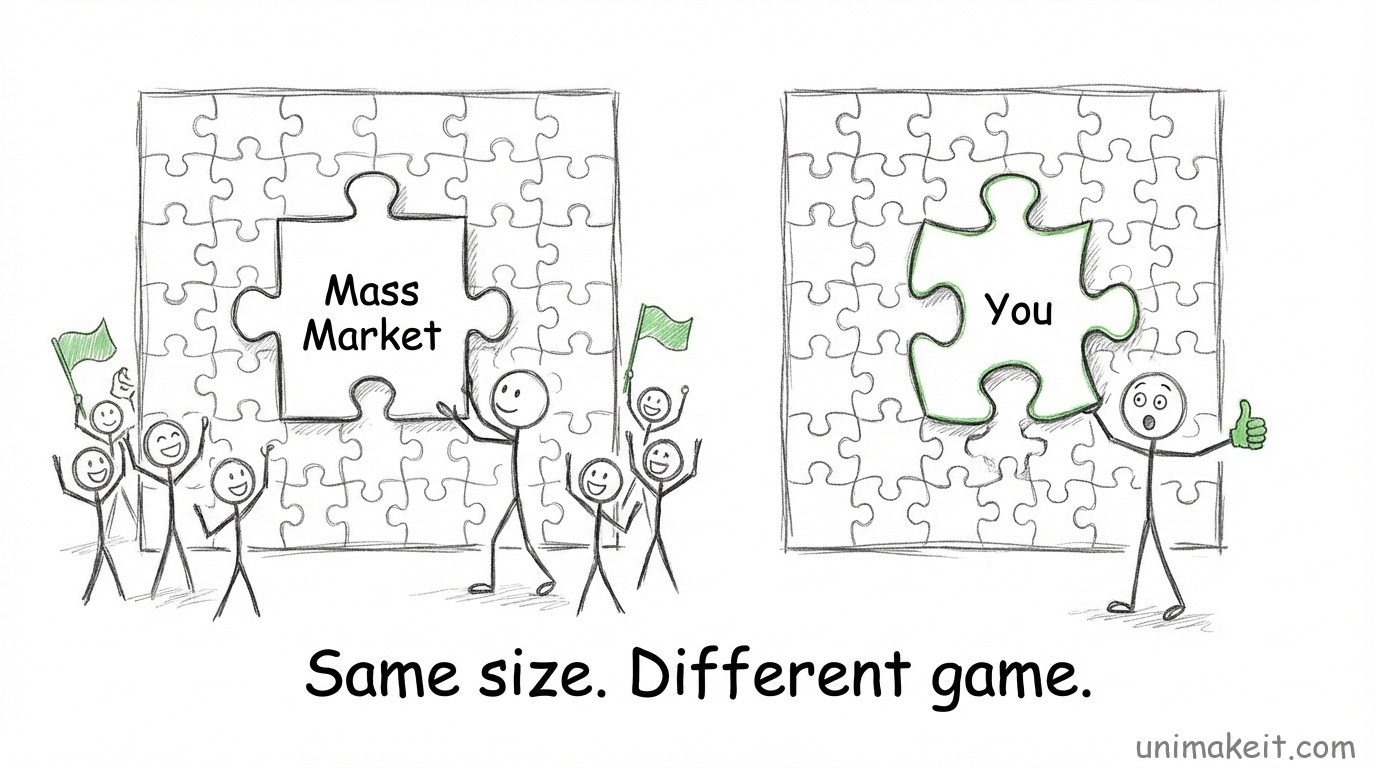
The best product for everyone is often the wrong product for someone specific.
Let me explain with an analogy that’s probably too honest.
You know how McDonald’s makes objectively good burgers? Fast, consistent, cheap.
But there’s a thriving market for $18 organic grass-fed burgers at local joints.
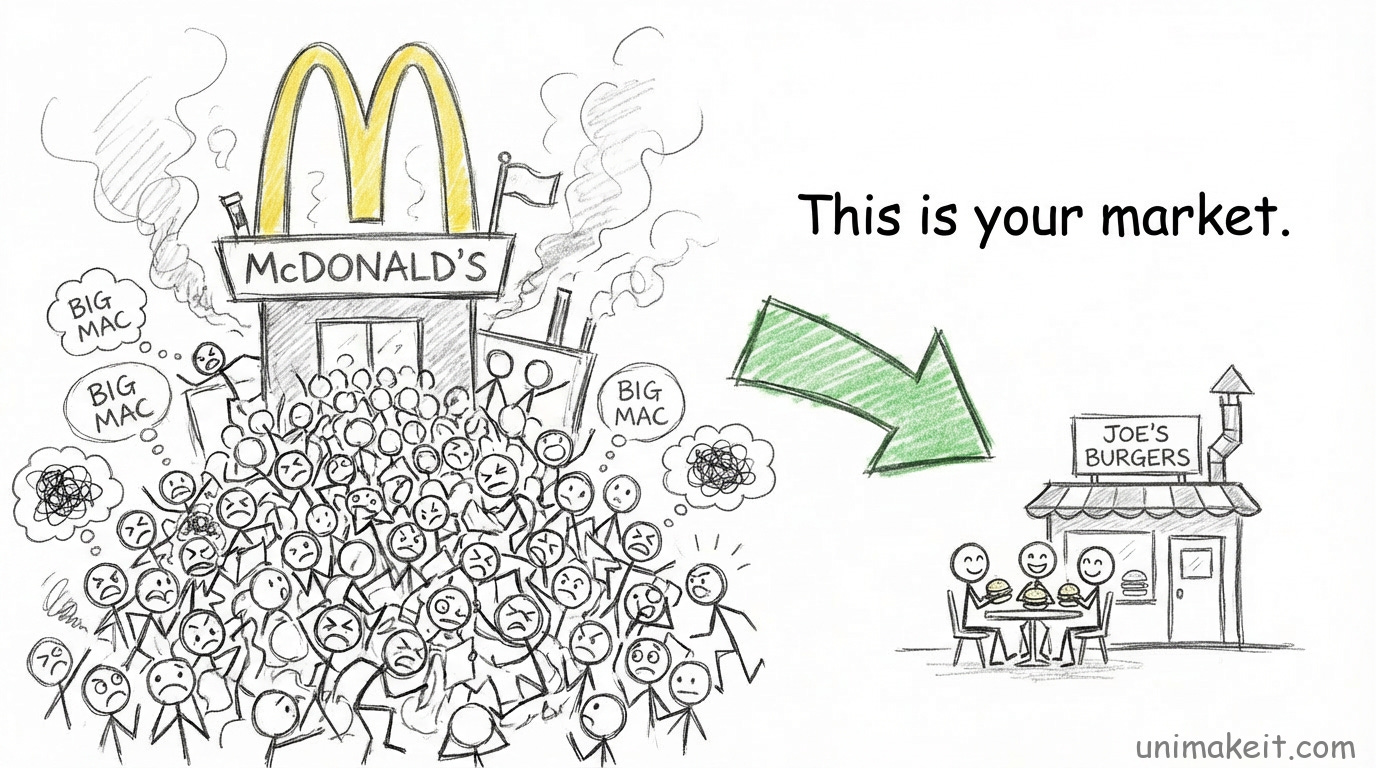
Why? Because some people don’t want McDonald’s.
Not because it’s bad. Because it’s wrong for them.
Eigent realized something crucial:
Not everyone wants Anthropic’s solution.
Who doesn’t?
Companies that can’t let data touch the cloud. (Banks, healthcare, government)
Teams that need deep customization. (The product has to fit their exact workflow)
Organizations allergic to vendor lock-in. (What happens if Anthropic changes pricing? Or shuts down the API?)
An 11,000-person company in the Middle East chose Eigent for local deployment.
A world-leading open-source data company picked them for customization.
Not because Eigent was “better.”
Because it was the only option that fit their constraints.
Here’s the thing I’m still processing:
When a giant enters your space, your job isn’t to beat them. It’s to become un-comparable.
You do this by serving people with needs the giant actively ignores.
Not niche as in “small.”
Niche as in “different shape.”
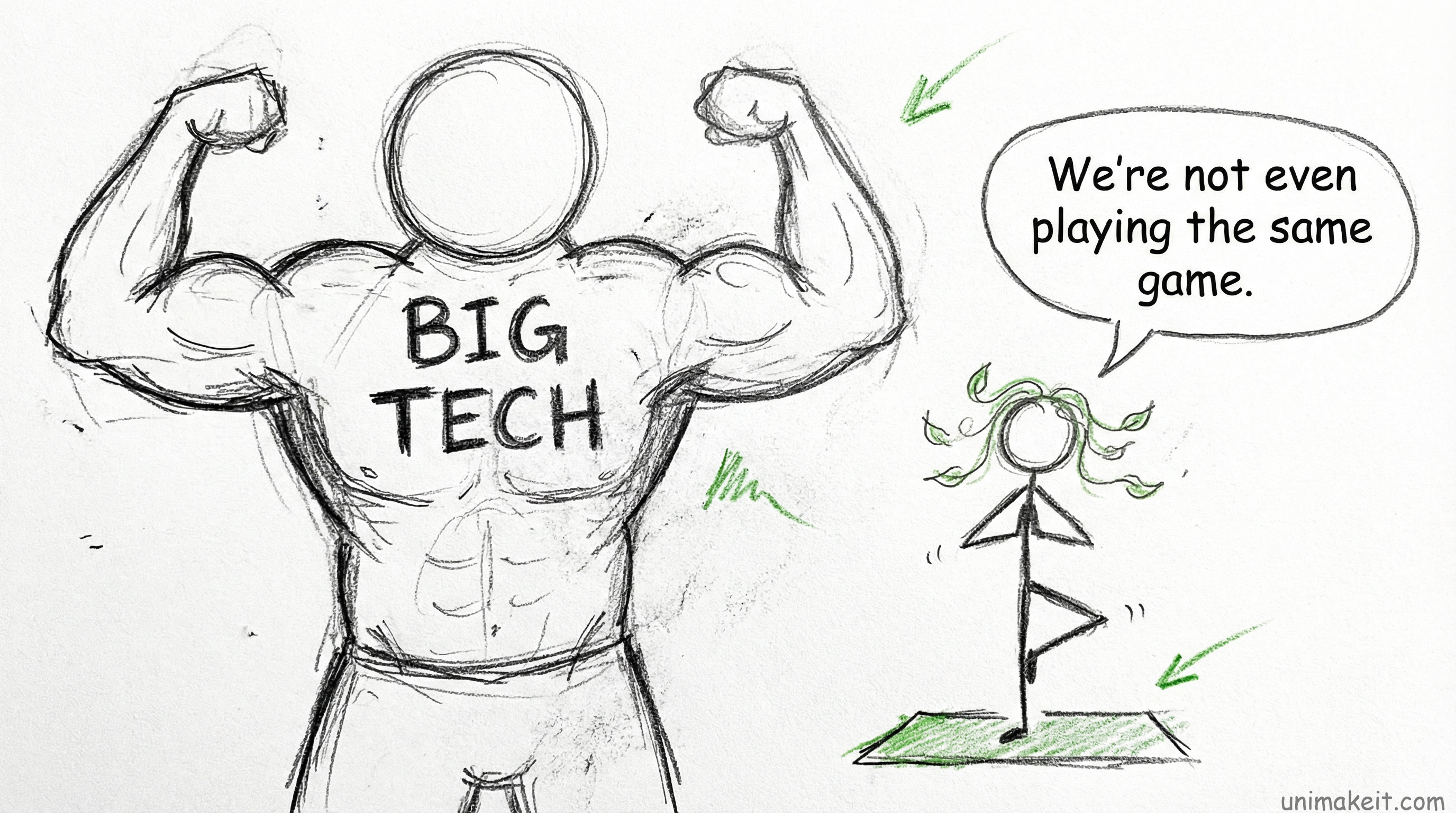
The tradeoff?
You give up mass market appeal.
You’ll never have Anthropic’s user base.
But you might have customers who can’t live without you.
Which actually matters more than I thought.
The Slow Accumulation That Became Sudden Speed
Okay, but here’s the part that makes this story actually interesting.
Eigent didn’t just have clever positioning.
They had three years of technical depth nobody else had.
March 2023: They publish CAMEL, a paper on multi-agent AI.
Gets 4,000 GitHub stars in a week.
Andrew Ng takes a photo of their poster at NeurIPS.
(If Andrew Ng photographs your work, you’ve made it.)
Then they just... kept going.
CRAB: Teaching AI to operate phones and computers
OWL: Browser automation
OASIS: Simulating a million AI agents
Loong: Generating high-quality training data
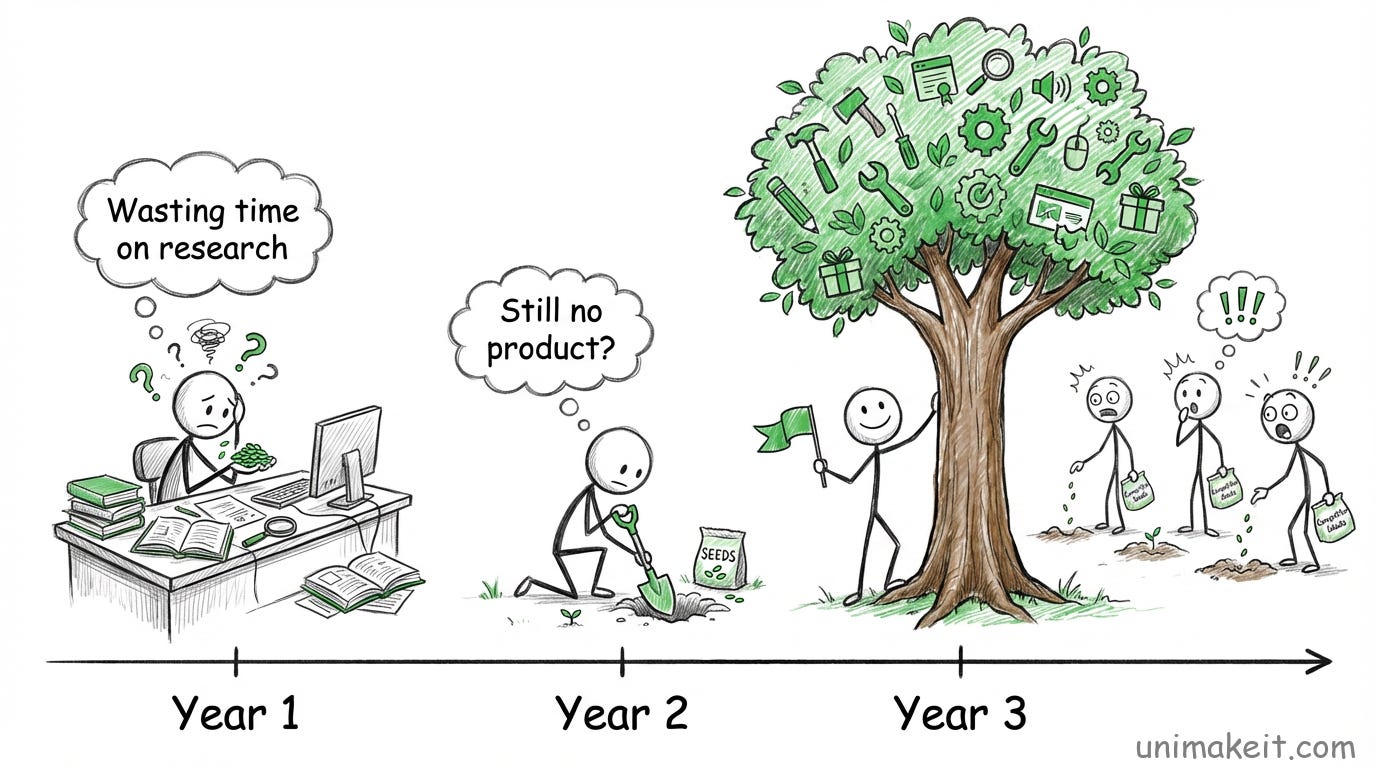
From the outside, this looks like random academic research.
But it’s actually a tech stack disguised as papers.
When Claude Cowork launched, Eigent didn’t scramble.
They had:
Ready-to-use browser automation from OWL.
Multi-agent coordination from CAMEL.
Enterprise benchmarks from actual client work.
I used to think research was separate from building products.
Like, you either do research (slow, academic) or ship products (fast, practical).
Turns out that’s wrong.
Research IS product development.
Just on a longer time horizon.
Here’s the pattern:
Shallow moat = “We have nice UI”
Deep moat = “We spent years solving problems you don’t even know exist yet”
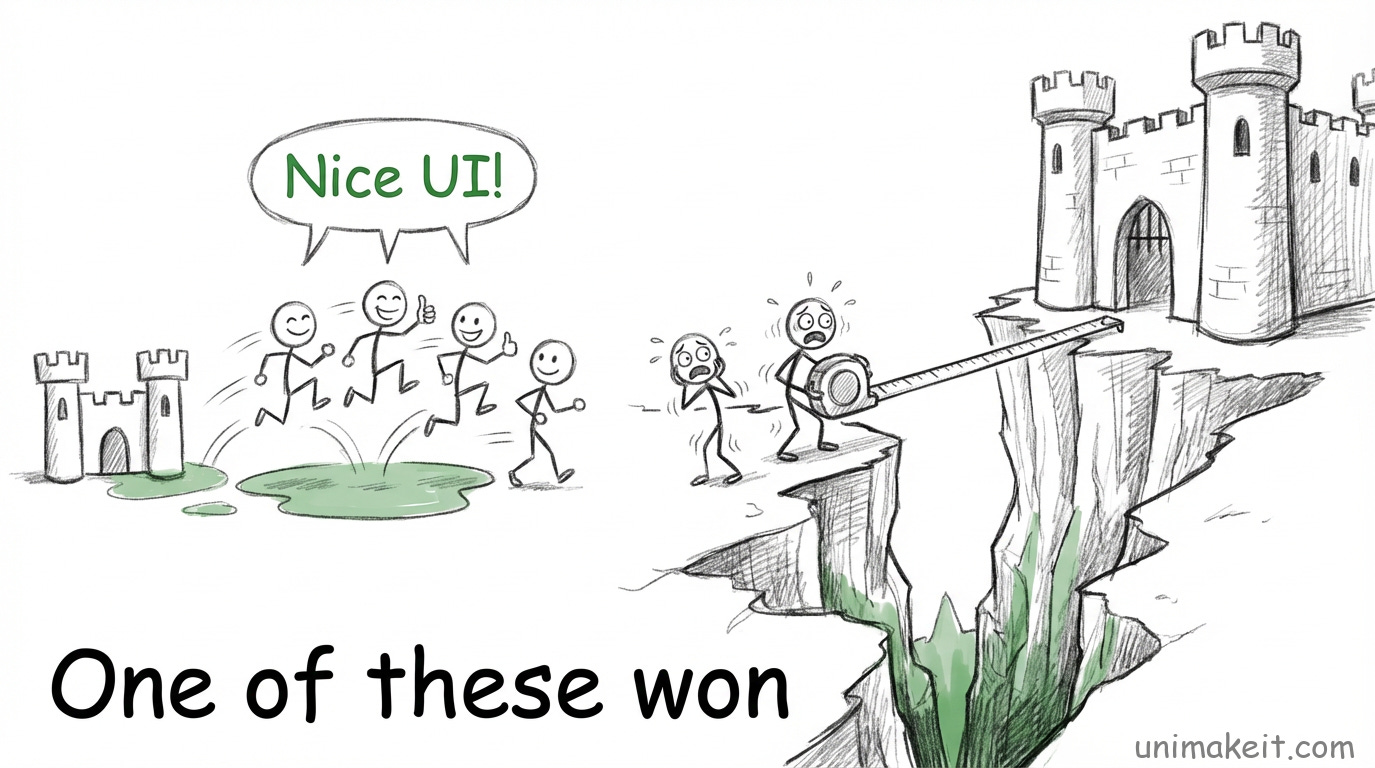
When you do research, you’re not just publishing papers.
You’re building capabilities that compound.
Each paper teaches you something.
Each project adds a tool to your arsenal.
By the time competitors try to catch up, you’re not one step ahead.
You’re in a different dimension.
This applies to your work too.
That “extra” project you do on the side?
That skill you’re learning that seems irrelevant?
That’s your research phase.
It won’t pay off this quarter.
But in two years, when everyone’s scrambling to learn what you already know?
You’ll have options they don’t.
The Pause That Accelerated Everything
May 2024.
The product MVP is looking good.
Time to launch and grow, right?
Guohao writes a doc: “Lay the Foundation.”
The directive: Stop building the product. Fix the infrastructure.
Context: They have TWO engineers.
Not twenty. Two.
Every startup playbook says: Ship fast. Iterate. Get users. Grow.
This is the opposite.
They spend an ENTIRE YEAR making their framework production-ready.
No product launches.
No user growth.
Just engineering.
When I first read this, I thought: That’s career suicide.
A year with two engineers and nothing to show customers?
But here’s what actually happened:
When they finally launched, they didn’t have a duct-taped demo.
They had a system that enterprises could actually deploy.
Without a sales team, they started landing clients:
11,000-person Middle Eastern company
Major open-source data company
Google inviting them to test Gemini early
Why?
Because enterprise buyers care if your thing works, not how fast you shipped.
Nobody wants to be your beta tester when real money is on the line.
They want boring reliability.
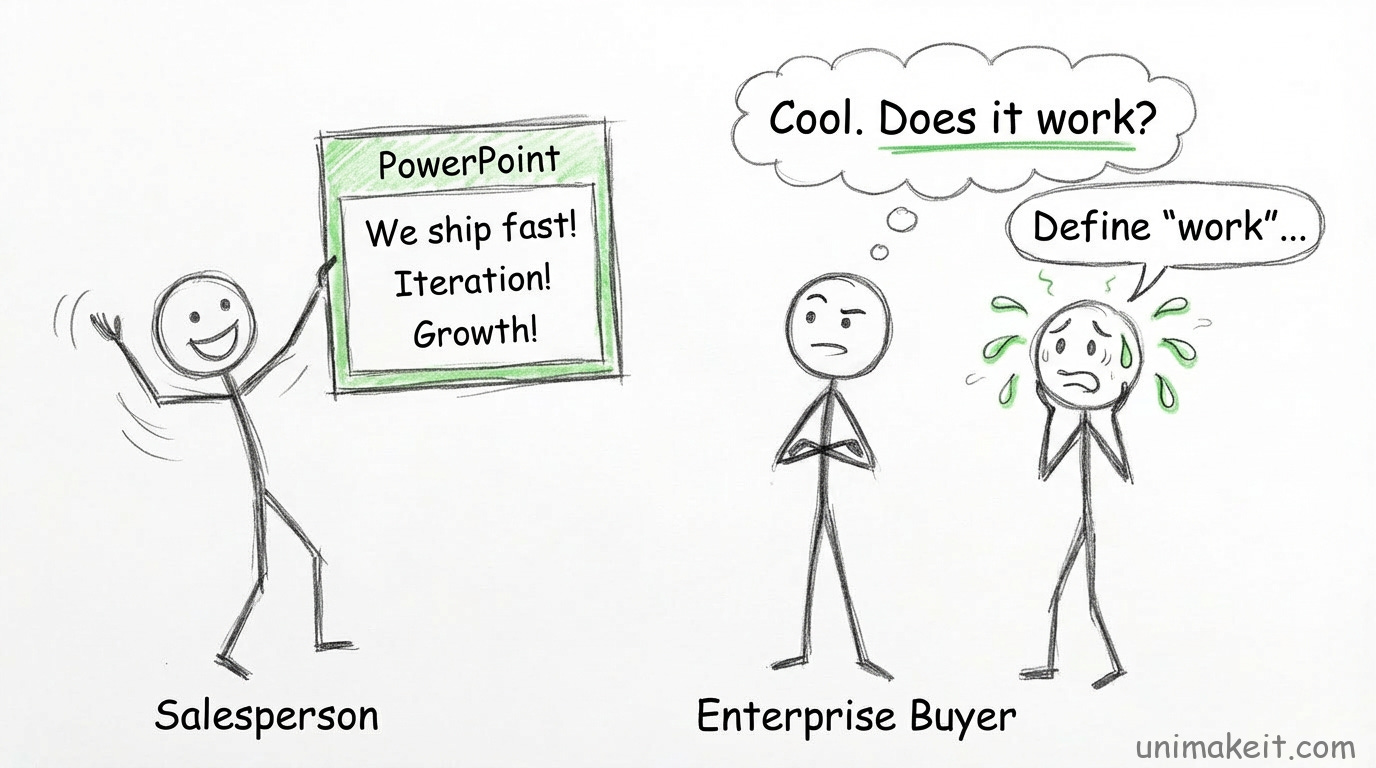
This breaks every “move fast” rule I was taught.
But the tradeoff makes sense:
You can go fast with a weak foundation and collapse later.
Or go slow with a strong foundation and accelerate later.
Most people pick fast → collapse.
Because slow → accelerate requires patience nobody has.
But here’s what I’m learning:
Real speed isn’t about how fast you ship version 1.
It’s about how fast you can scale version 10.
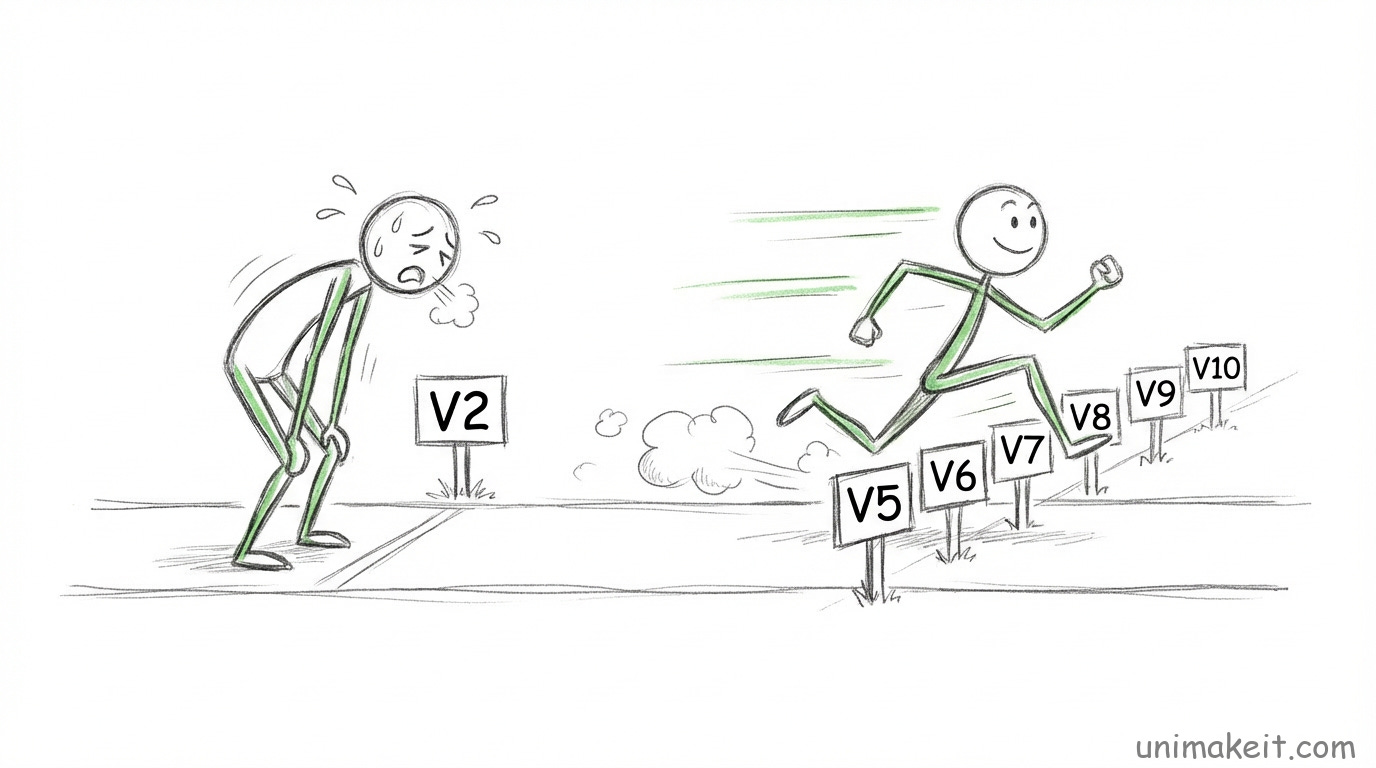
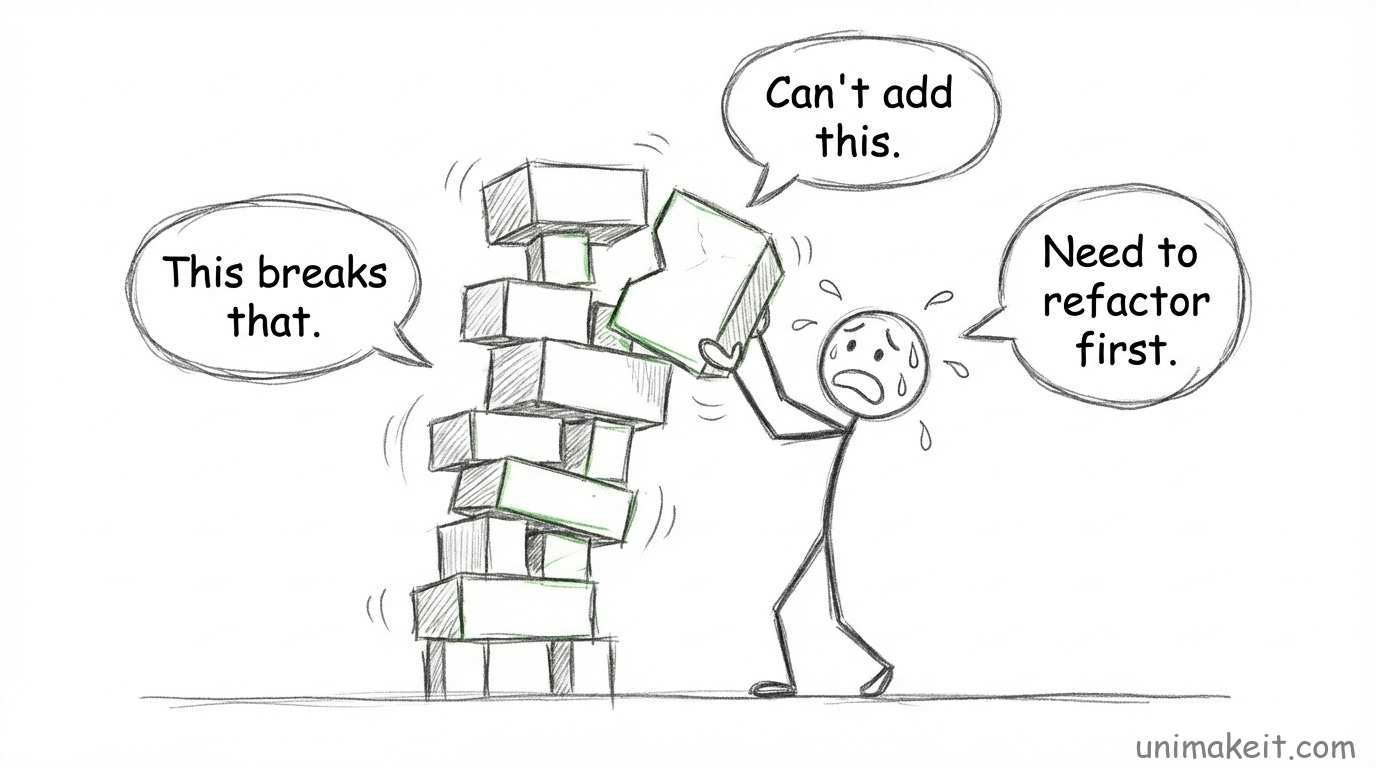
A shaky foundation means every new feature is a negotiation with your technical debt.
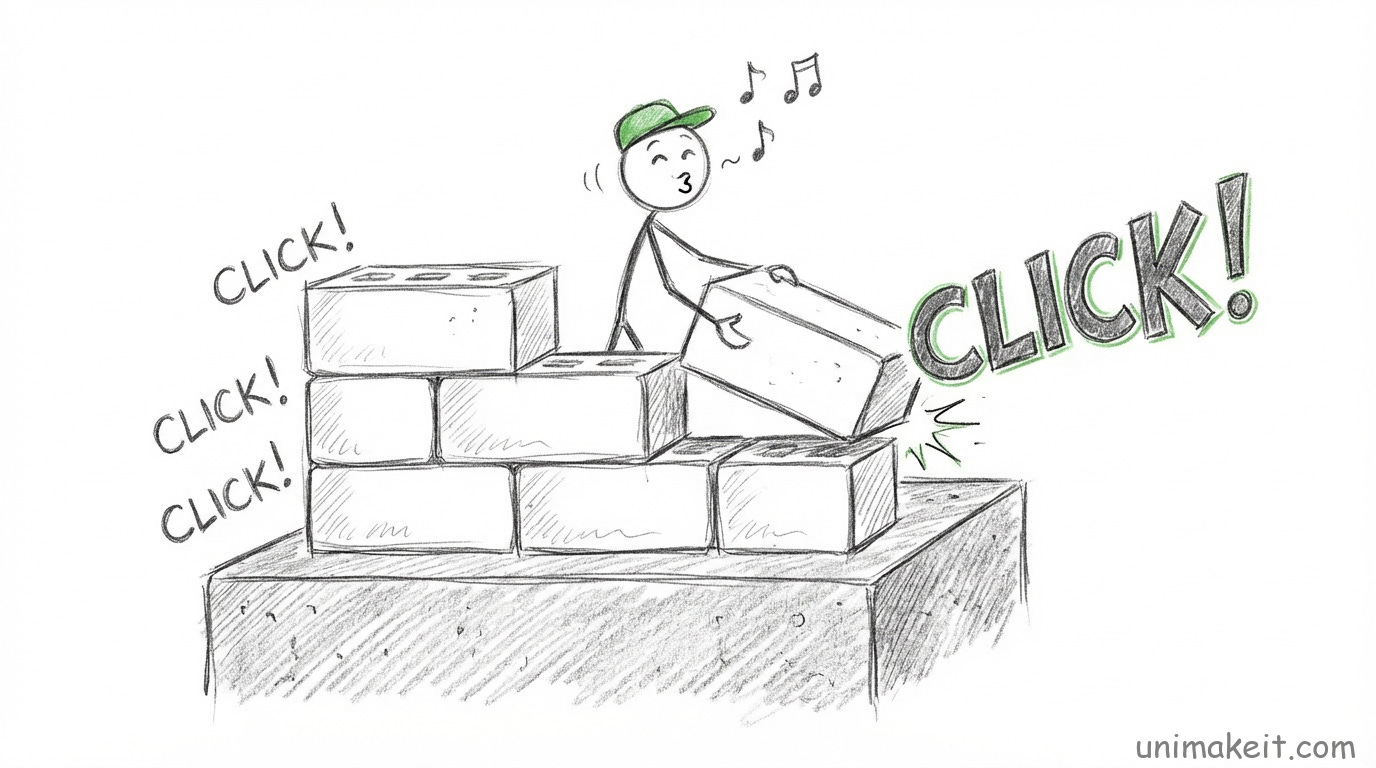
A solid foundation means you can stack features like Legos.
The first approach feels fast for six months.
Then turns into molasses.
The second approach feels slow for six months.
Then becomes unstoppable.
For your work:
That boring refactor you keep postponing?
That documentation you “don’t have time for”?
That’s your foundation.
Skip it, and you’ll spend next year fixing what you built this year.
Build it, and next year you’ll be building on top of what you built this year.
Different game entirely.
The Real Game
January 2026, Eigent hits #1 on GitHub Trending.
But that’s not the point.
The point is what they gave up to get there—and what they gained instead.
They gave up: Trying to beat Anthropic head-on. Mass market dreams. The “move fast” playbook everyone follows.
They gained: A defensible position. Enterprise clients who can’t leave. Technical depth nobody can copy quickly.
The lesson isn’t “do what Eigent did.”
It’s “understand what you’re trading.”
Every choice has a cost. The question is whether you’re paying it on purpose.
When the giant launches, will you have something they can’t replicate? Not because you’re better—because you’re different in a way that matters to someone specific.
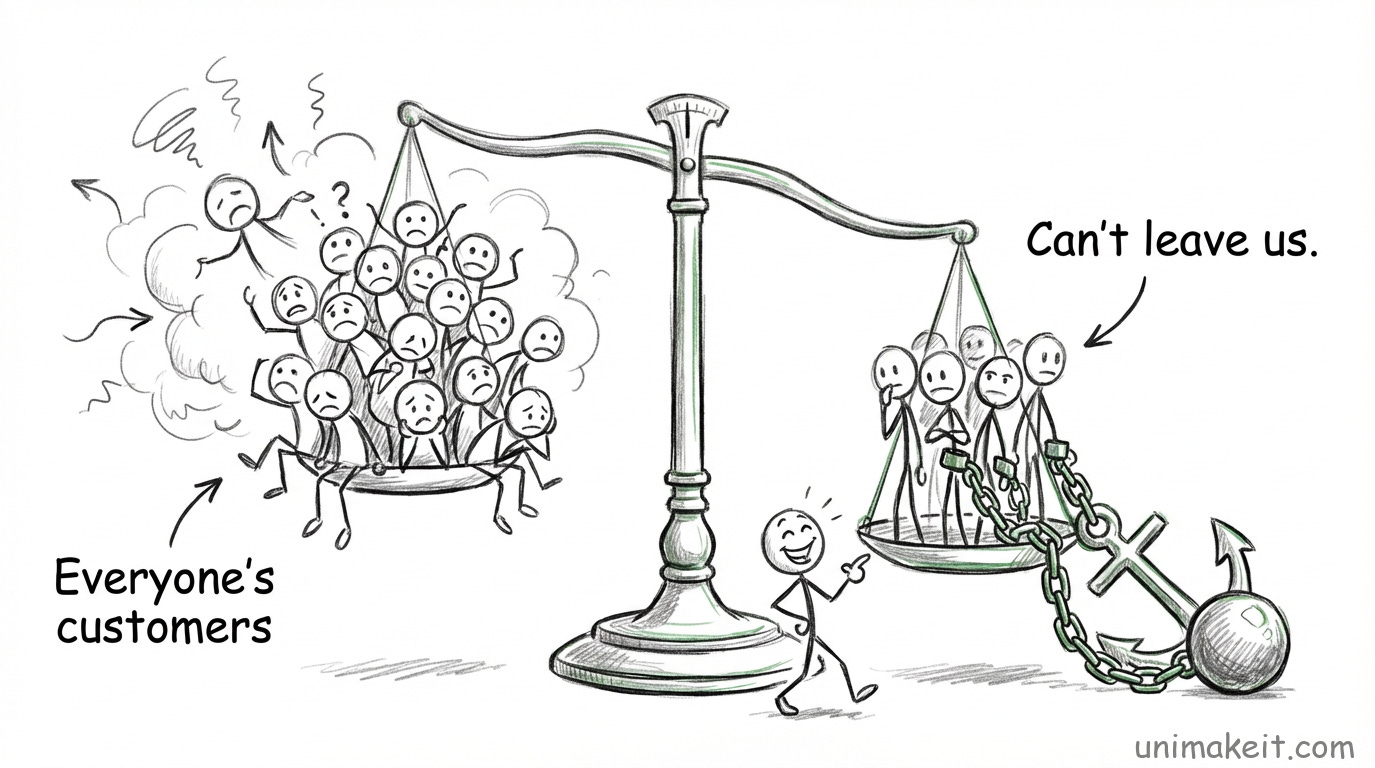
That’s not a consolation prize. That’s the whole game.
Links:
https://x.com/guohao_li
https://www.eigent.ai
CAMEL: Communicative Agents for “Mind” Exploration of Large Language Model Society
CRAB: Cross-environment Agent Benchmark for Multimodal Language Model Agents
OWL: Optimized Workforce Learning for General Multi-Agent Assistance in Real-World Task Automation
OASIS: Open Agent Social Interaction Simulations with One Million Agents
Loong: Synthesize Long Chain-of-Thoughts at Scale through Verifiers


