


Morning, CEO!
Ever notice how you keep making the same mistake in different packaging?
Like, you swore you’d stop volunteering for every project, but here you are at 11 PM finishing someone else’s slides. Again.
Or you promised yourself you’d speak up in the next meeting, but when it came time, you just... didn’t.
It’s not willpower. It’s not discipline. It’s something way more interesting (and fixable).
Today we’re talking about the mental code you wrote when you were six years old—and why it’s still running your life.
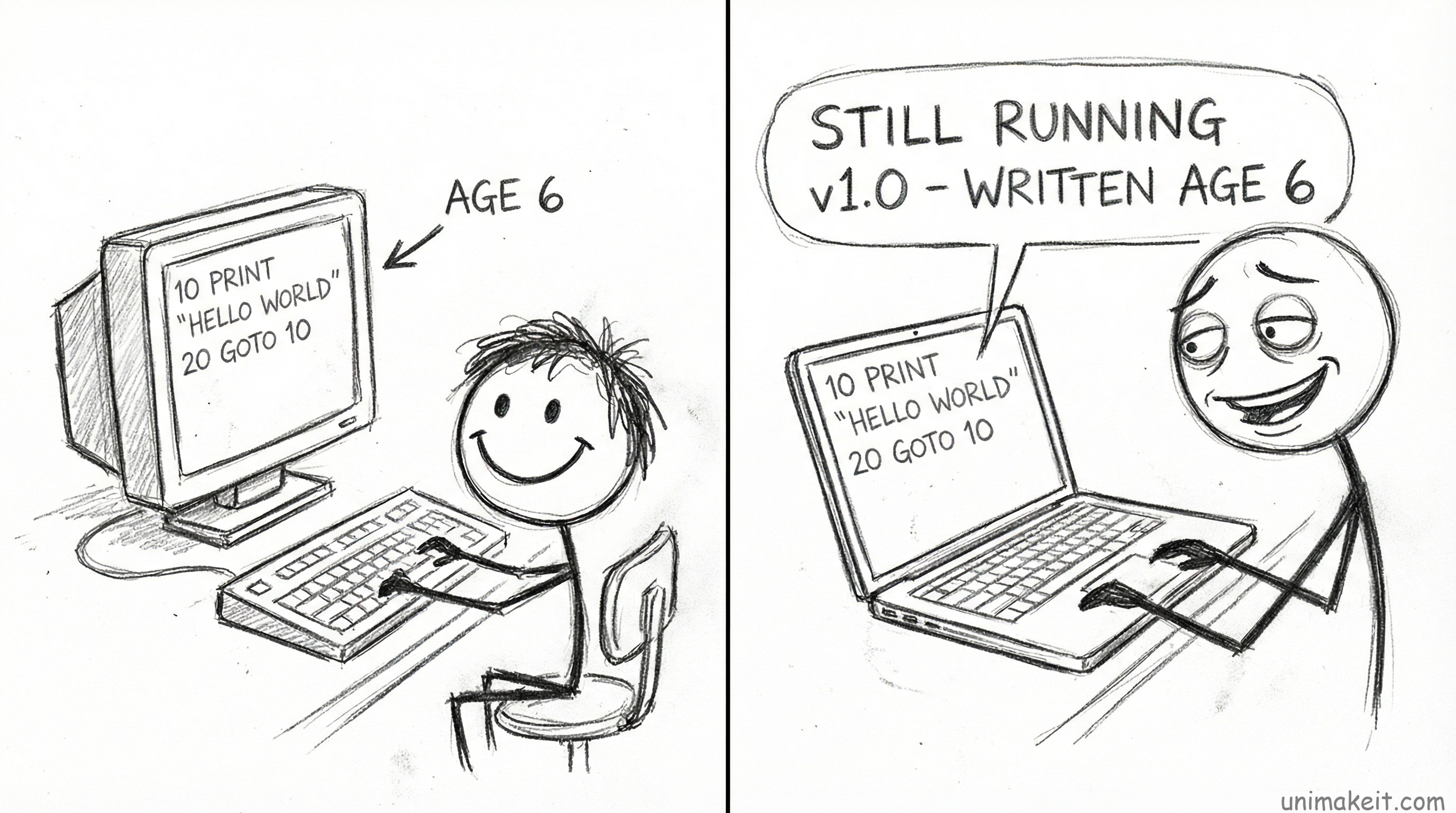
Your Brain Is Running Code from Kindergarten
Here’s something nobody tells you in business school:
The way you handle conflict at work? Mostly determined by age 6.
Your relationship with authority? Age 6.
That thing where you overcommit and burn out? You guessed it—age 6.
German psychotherapist Gitta Jacob calls these patterns “schemas.” They’re the mental frameworks you built as a kid to understand yourself and the world.
And here’s the kicker: they’re self-reinforcing.
Let me show you how this ruins your Tuesday.
Say you developed this schema: “I need to work twice as hard to deserve recognition.”
Your manager praises your work. Your brain translates: “They’re just being nice. They don’t really mean it.”
You ship a successful project. Your brain: “Lucky timing. Next one will expose me.”
You get promoted. Your brain: “They must be desperate. I’m a fraud.”
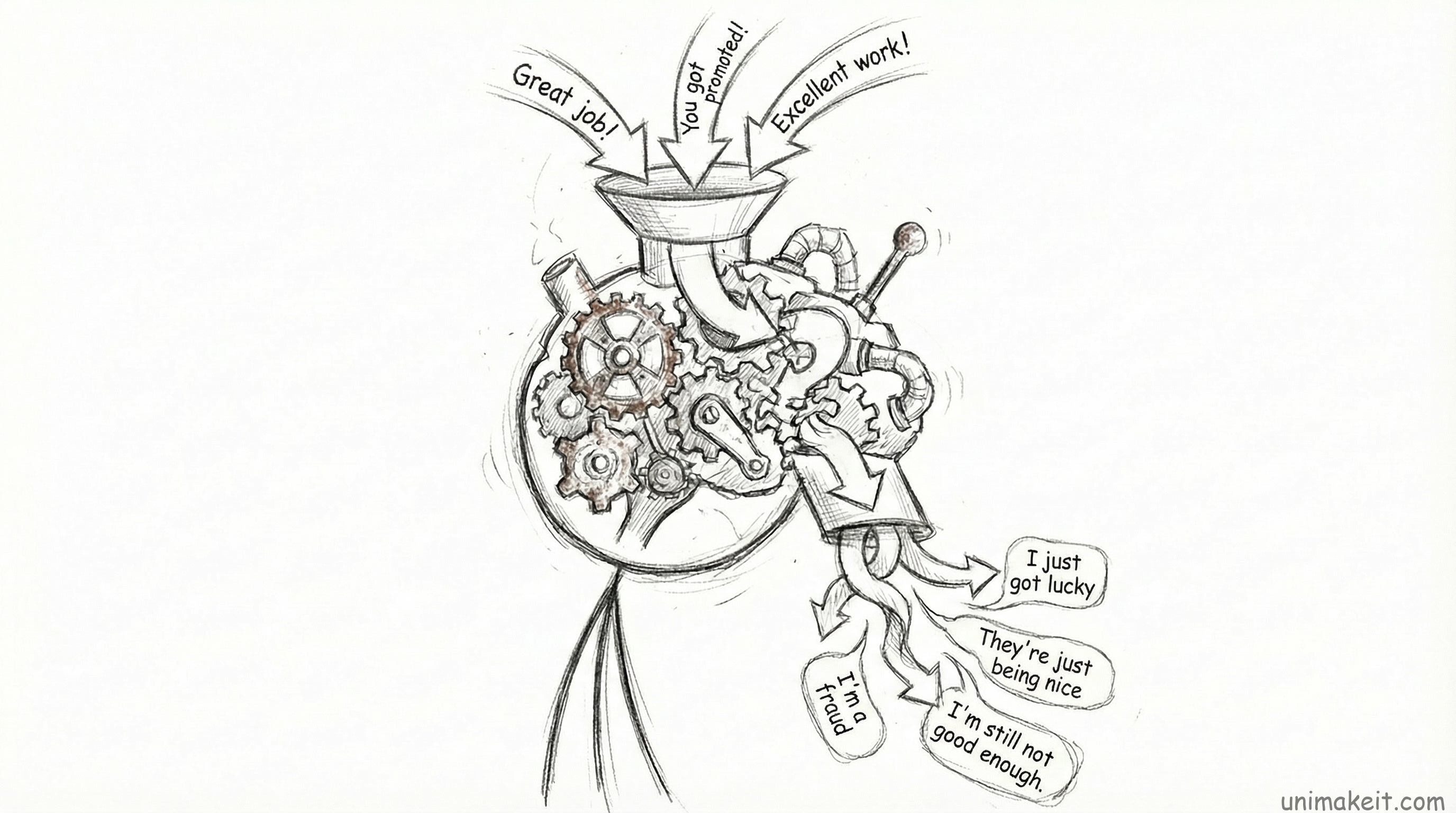
See the pattern?
Every piece of evidence that contradicts your schema gets twisted to fit it anyway. It’s like your brain is running a spam filter, except it’s filtering out good news and keeping the garbage.
Psychologists call this a “self-fulfilling prophecy.”
I call it “why I went to therapy.”
The cycle goes: Schema → You notice things that confirm it → You ignore things that contradict it → Schema gets stronger → Repeat until retirement.
And the truly maddening part? You probably can’t even see it happening.
It’s like trying to read the label from inside the bottle.
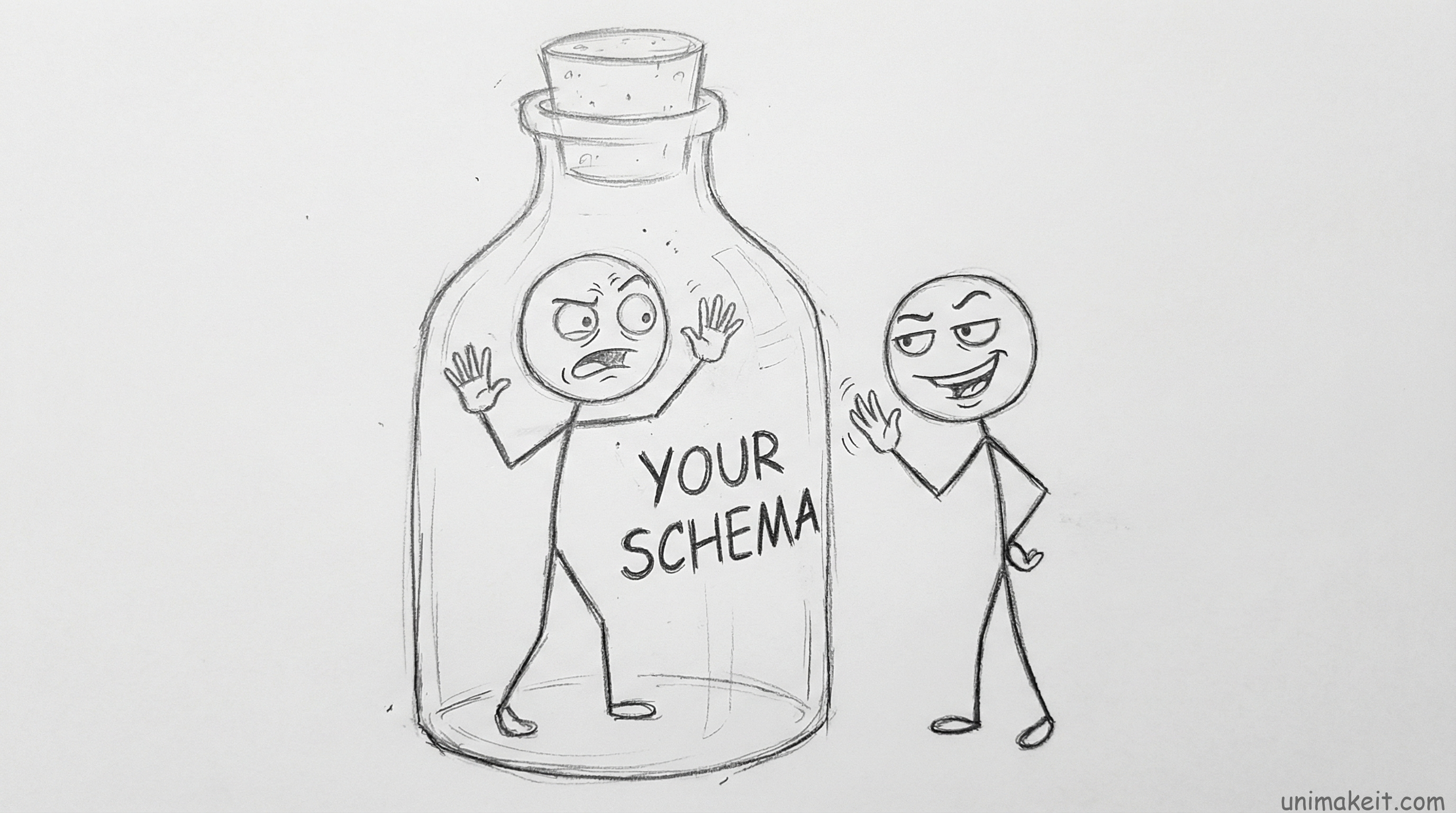
The goal isn’t to delete these schemas. It’s to see them clearly enough that you can choose whether to use them.
Because sometimes that “work twice as hard” schema serves you. And sometimes it just makes you the person who’s still online at midnight while everyone else is asleep.
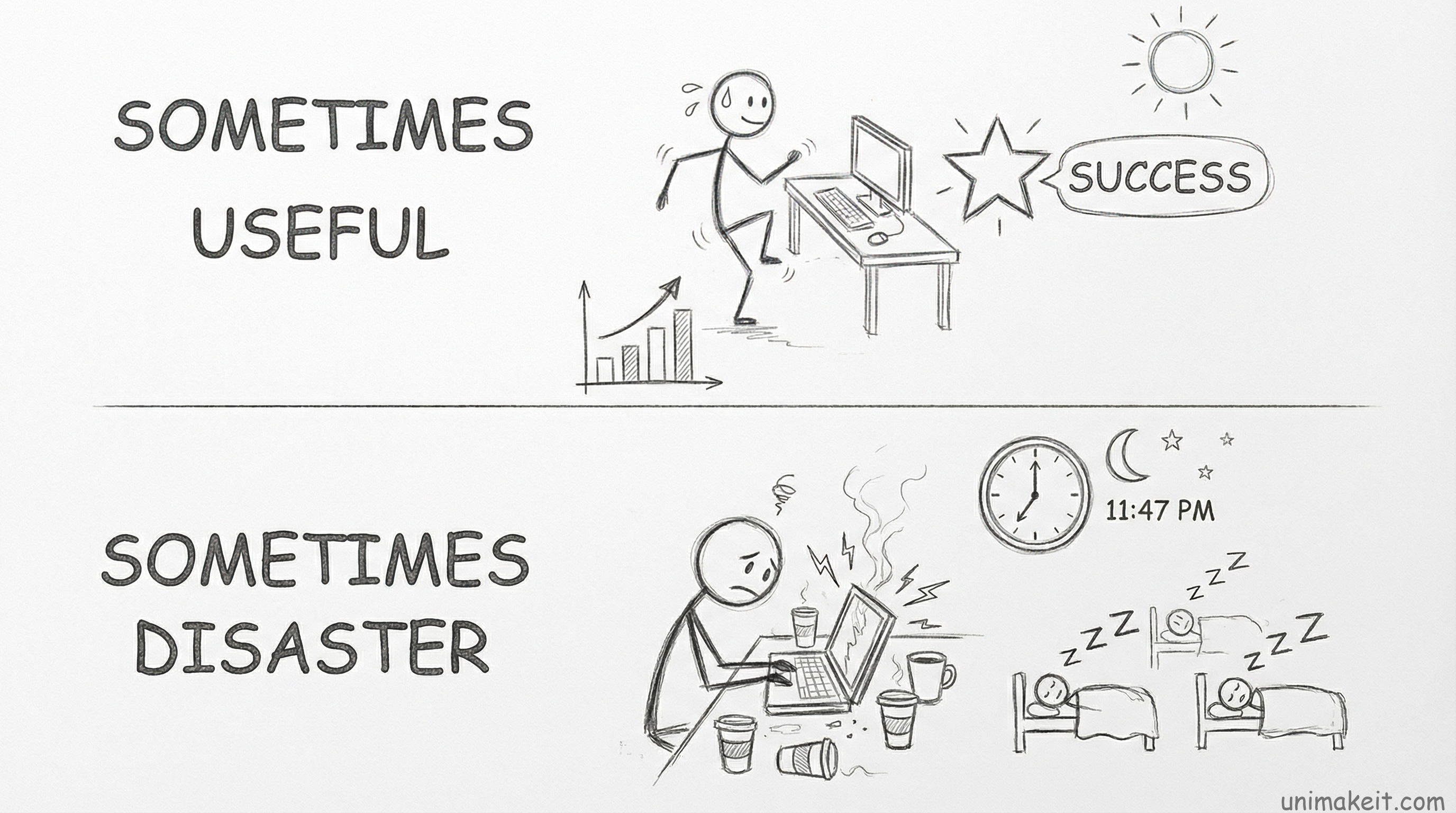
The trick is knowing the difference.
The Four Voices in Your Head (And Why They Won’t Shut Up)
Your schema isn’t one thing. It’s four distinct voices having a very loud argument in your head.
Voice 1: The Inner Child
This is the part of you that still remembers what it felt like to be small and powerless.
When a senior executive asks you a question and you suddenly feel like you’re seven years old getting called on in class? That’s your Inner Child.
There are three types:
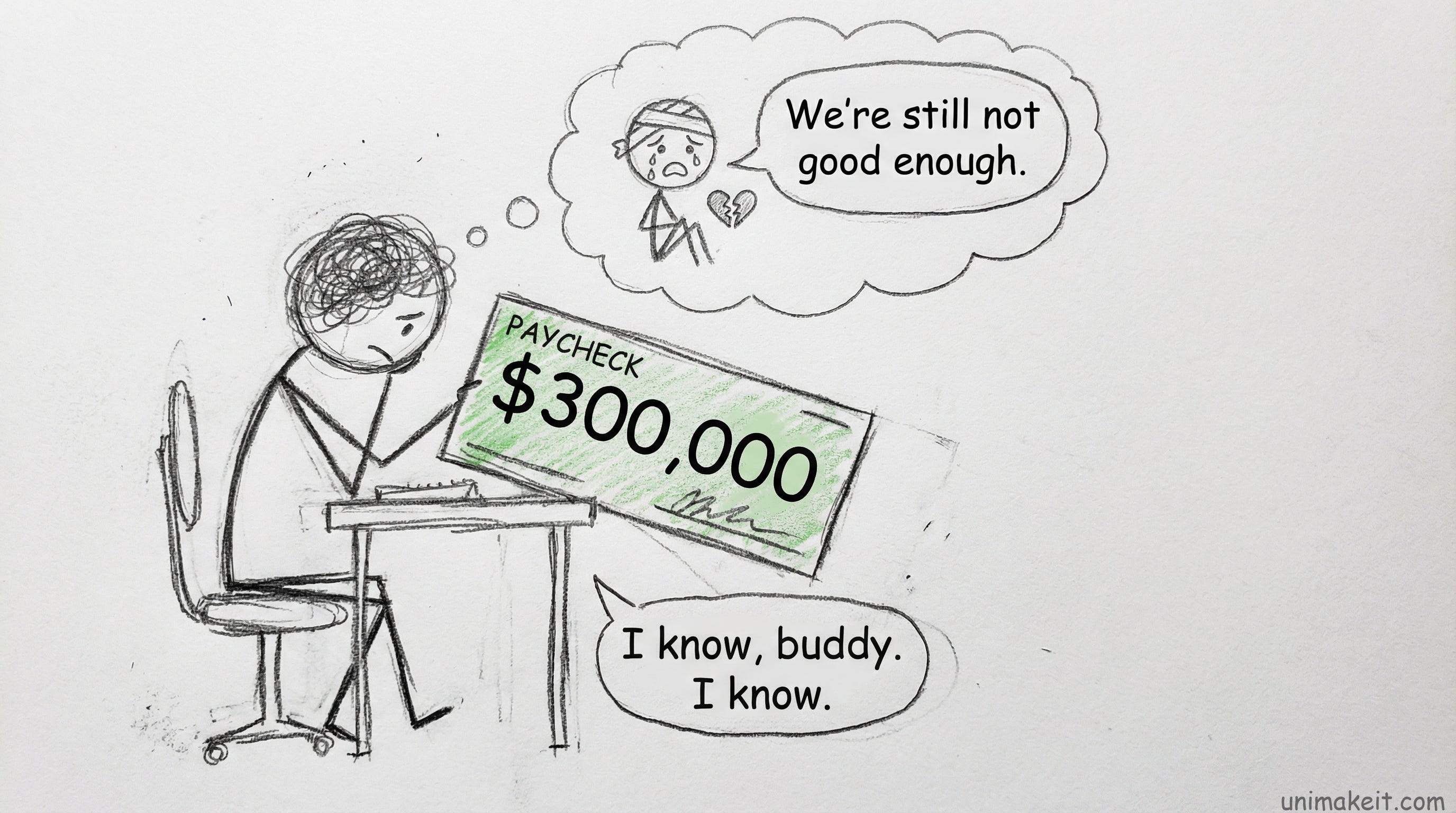
The Wounded Child feels inadequate. I once met someone making $300K who still felt “not good enough” because she grew up poor. The bank account changed. The feeling didn’t.
The Spoiled Child never learned boundaries. These are the people who rage-quit when told “no.” They look entitled, but really they’re just terrified because they never learned where the limits are.
The Happy Child remembers joy and curiosity. This is the only one we actually want to keep around.
Voice 2: The Inner Critic
Remember your parents’ voices? The things they said about work, success, what you “should” do?
Congratulations! They live in your head now. Rent-free. Forever.
Three flavors:
The Achievement Police: “Why are you resting? You’re not successful enough yet!” Useful in small doses. Exhausting in large ones.
The Guilt Monger: “Your parents sacrificed everything. How dare you be happy?” This one is just pure poison.
The Demolition Expert: “You’re worthless.” If this voice shows up, tell it to shut up. Seriously. Out loud if necessary.
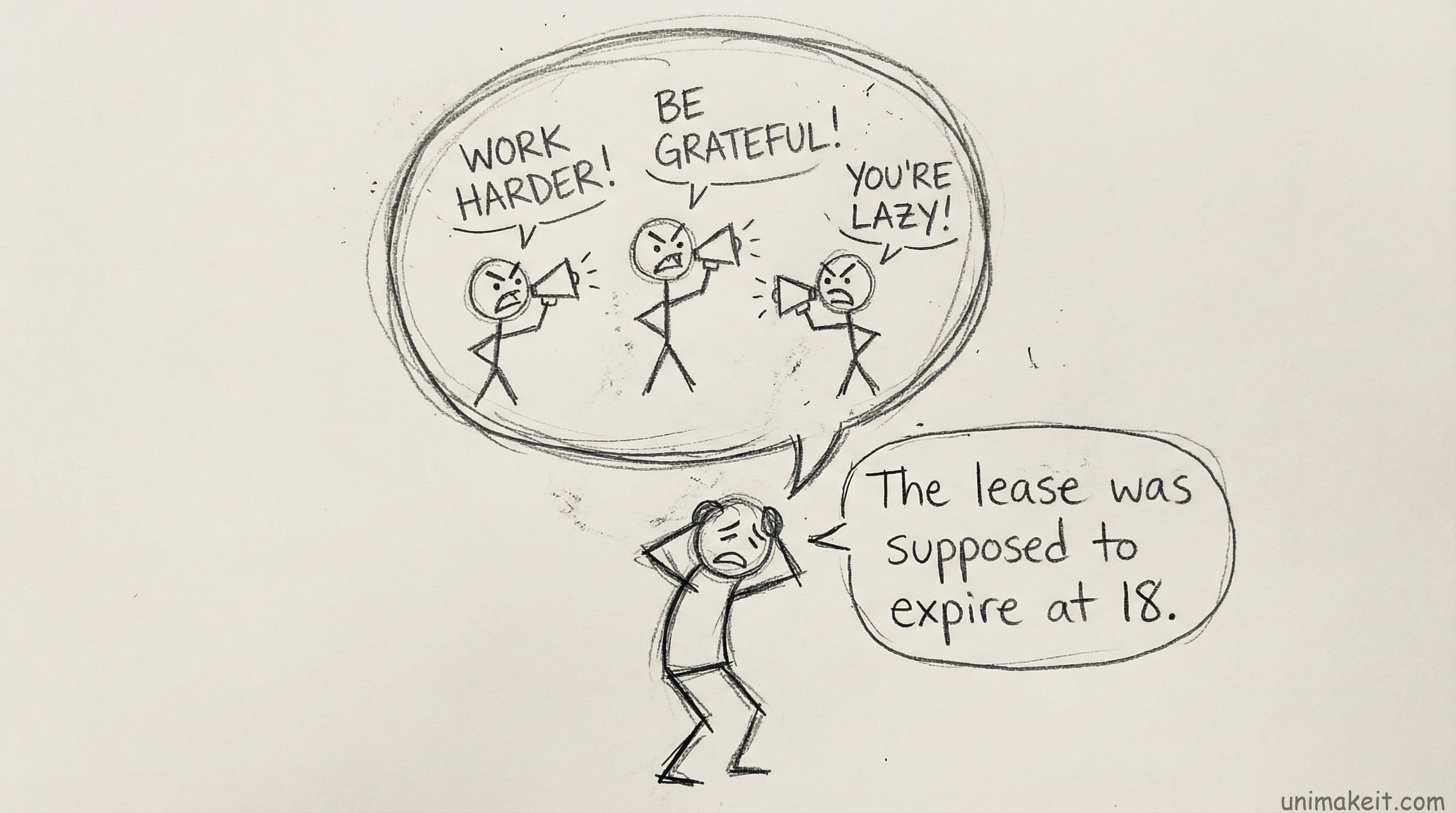
Voice 3: The Coping Strategy
As a kid, you figured out how to survive. Maybe you:
Complied: Became the “good kid” who never caused trouble (now you’re the “yes person” who can’t say no)
Avoided: Stayed in your lane (now you’re the person who never takes risks)
Overcompensated: Fought back constantly (now you’re the workaholic who can’t stop)
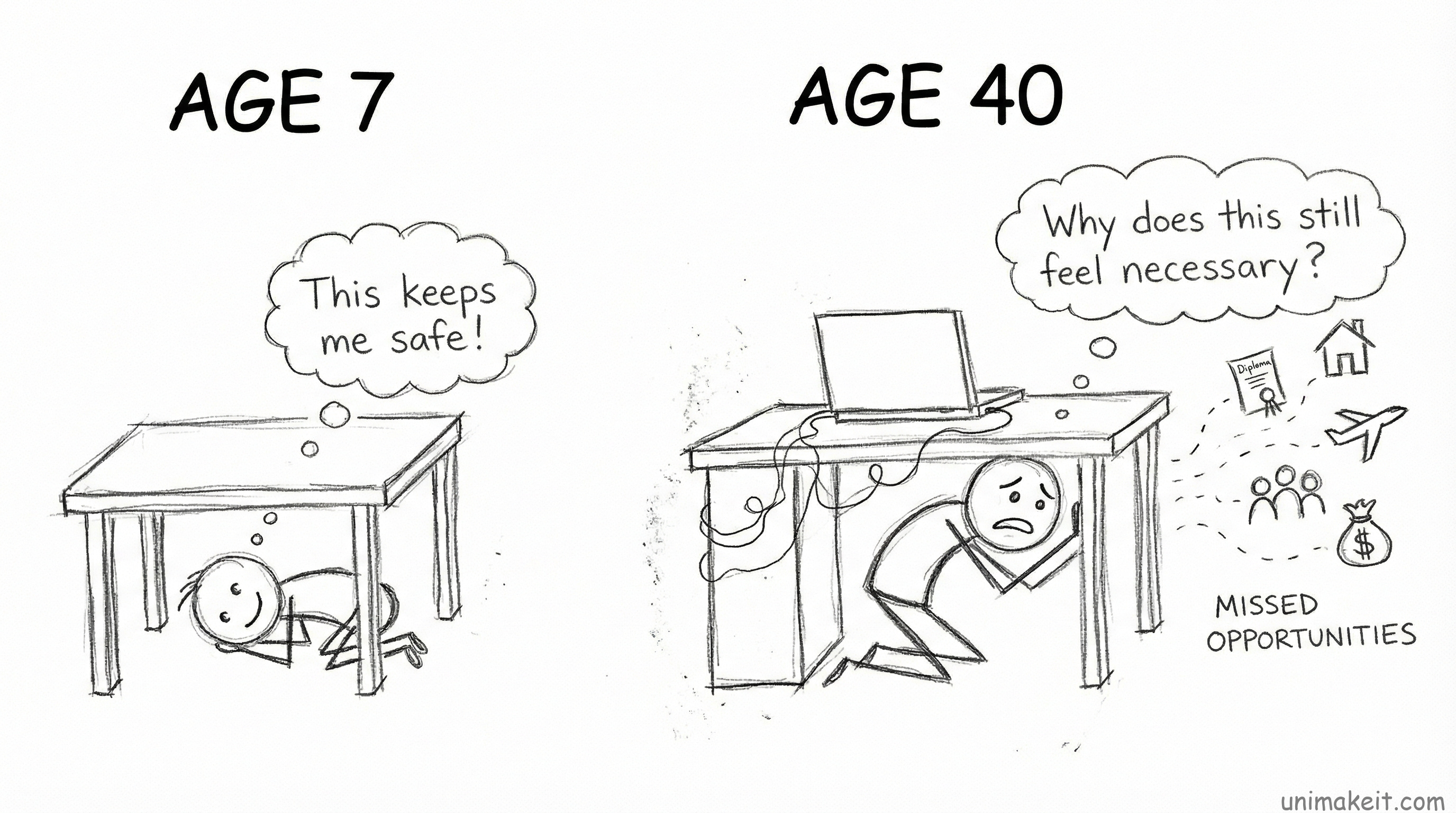
Here’s what’s wild: The strategy that saved you at seven is probably sabotaging you at forty.
Voice 4: The Adult Self
This is your idea of what a “professional adult” looks like. Some of it’s healthy (taking responsibility, managing emotions). Some of it’s a disaster (perfectionism disguised as standards).
The question: Which voice is driving when you make decisions?
Because I guarantee it’s not always the Adult.
How to Rewrite Code That’s Been Running for Decades
Okay, you’ve identified your schemas. Now what?
Here are four practices that actually work. I know because I’ve had to do all of them. (Therapy is expensive and also the best money I’ve ever spent.)
Practice 1: Talk to Your Inner Child (Yes, Really)
Find a quiet moment. Imagine meeting your childhood self.
What would you say to that kid?
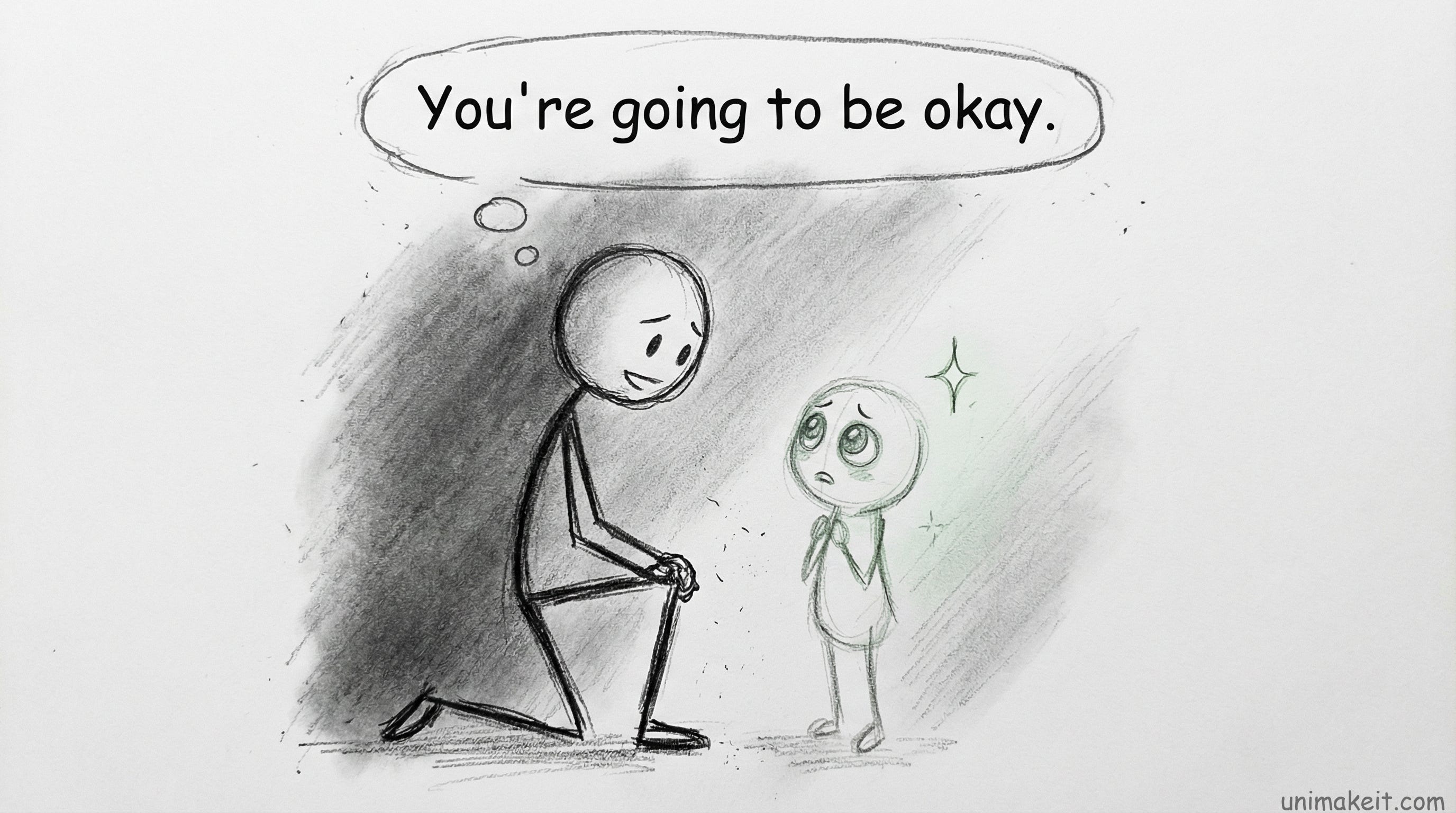
When I did this exercise, I imagined seven-year-old me, terrified of getting in trouble, trying desperately to be perfect.
I told her: “Hey. You’re going to be okay. You’ll mess up sometimes. People will still like you. Actually, they’ll like you more when you’re not trying so hard. I know because I’m you, thirty years later.”
It sounds ridiculous.
It’s also surprisingly powerful.
Practice 2: Reparent Yourself
Give yourself permission to do things for no reason except joy.
Listen to music. Dance badly. Take a walk. Play.
I know, I know. You have seventeen Slack messages and a deck due Friday.
Do it anyway.
The more you amplify the happy parts, the less room there is for the wounded parts.
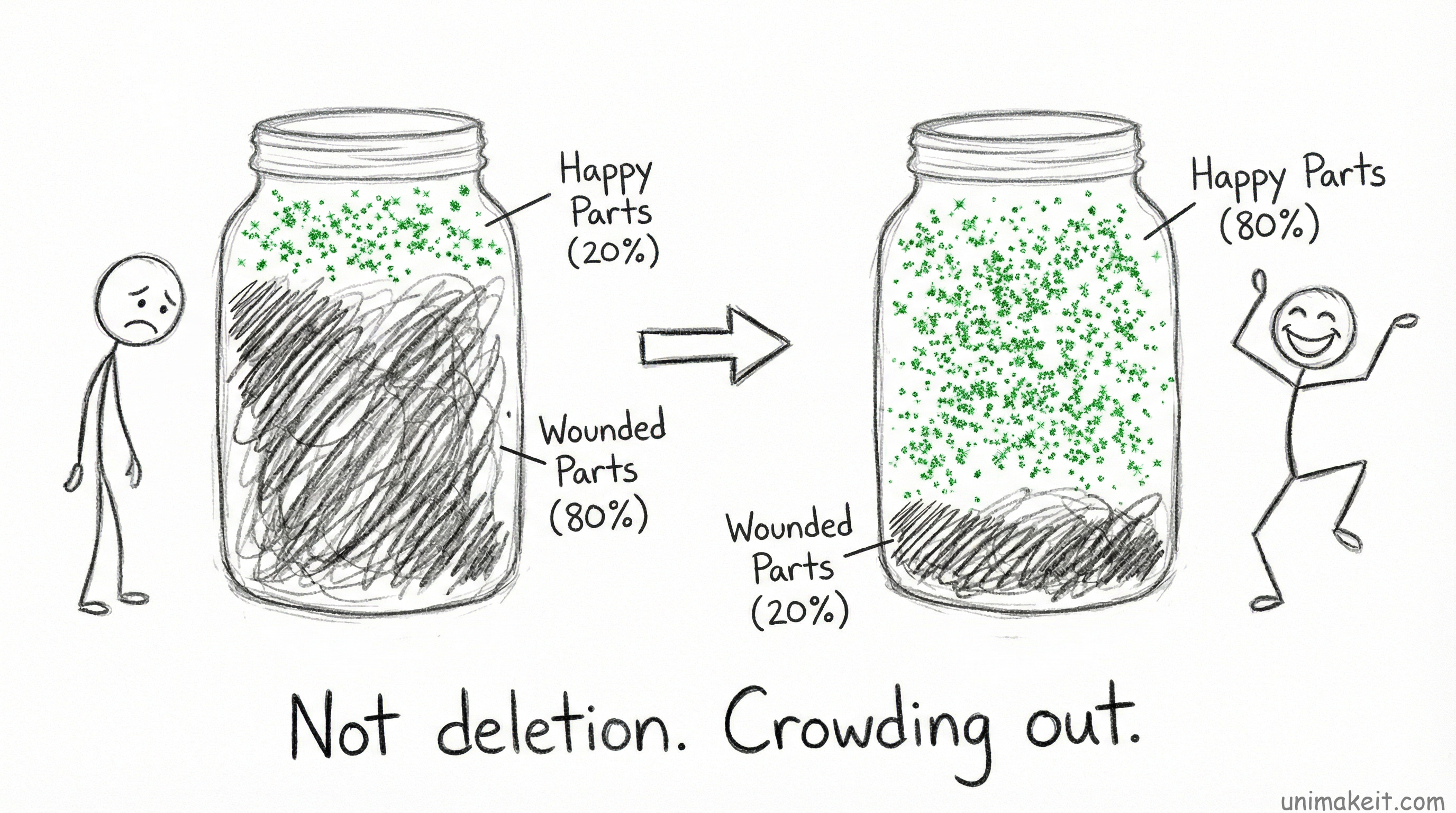
It’s not about “fixing” yourself. It’s about crowding out the old patterns with better ones.
Practice 3: Negotiate with Your Critic
List the harshest things you say to yourself.
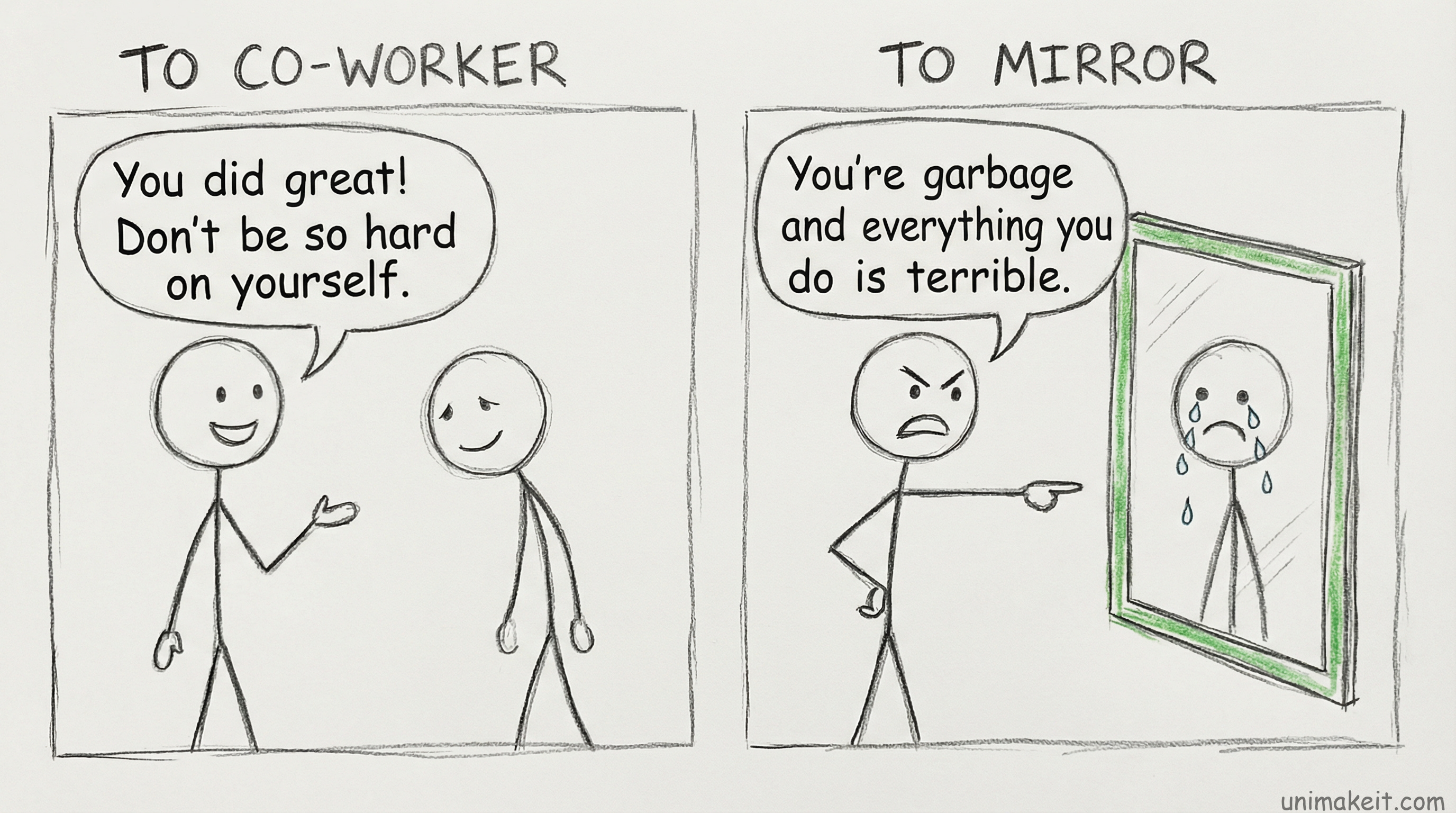
Now ask: Would I say this to a colleague I respected?
No? Then why are you saying it to yourself?
Rewrite the criticism as if you’re talking to a peer you want to help succeed.
Instead of: “You’re so lazy, you should be working harder” Try: “You seem tired. What if we tackle this differently?”
Practice 4: Test Different Strategies
If you always say yes, practice saying no once.
If you always avoid, try engaging once.
If you always push, try resting once.
You don’t have to change everything. Just run one experiment.
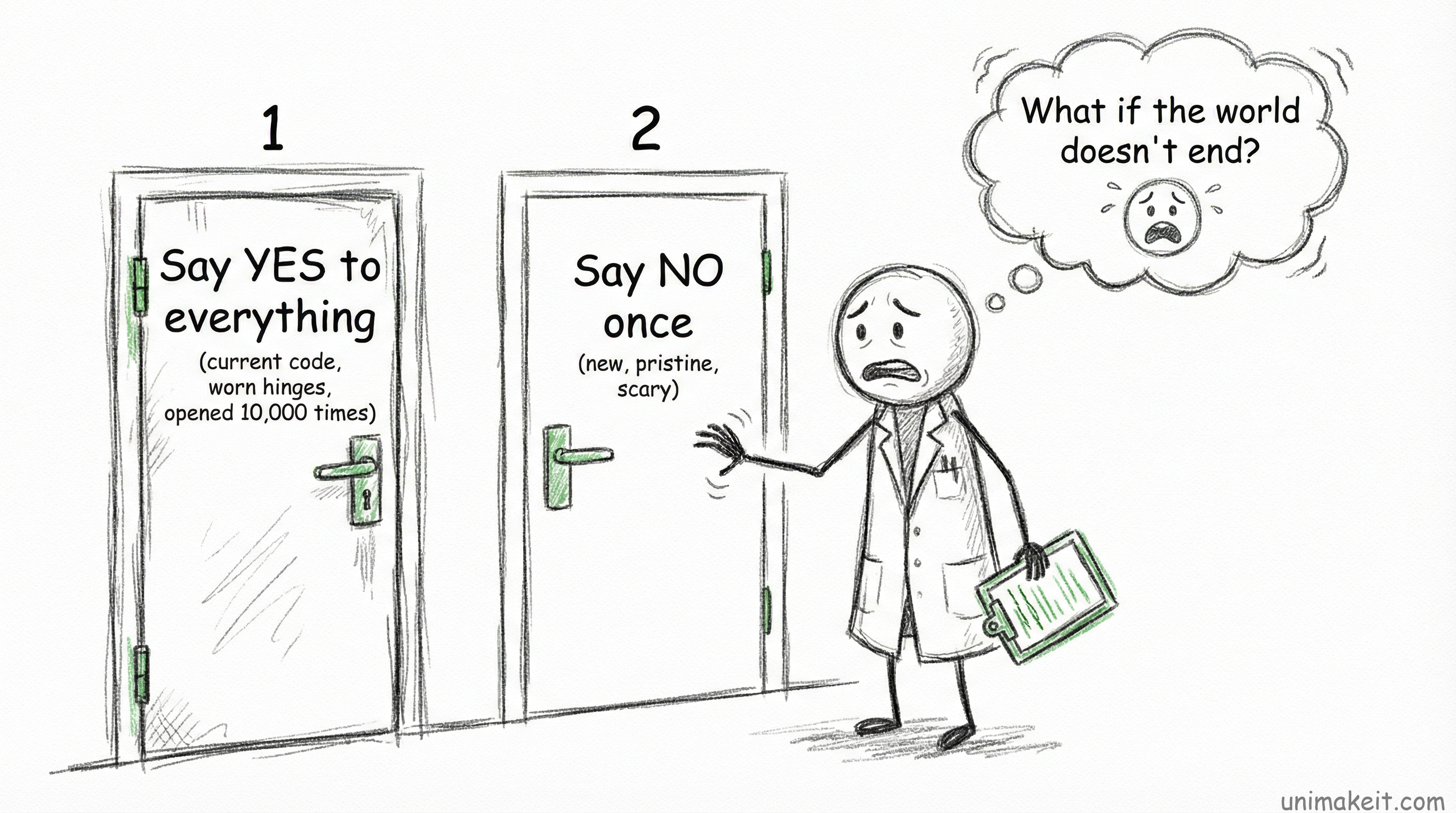
See what happens.
Most people are shocked to discover the world doesn’t end when they try a new approach.
(Some are disappointed. They were kind of hoping for the drama.)
The Punchline
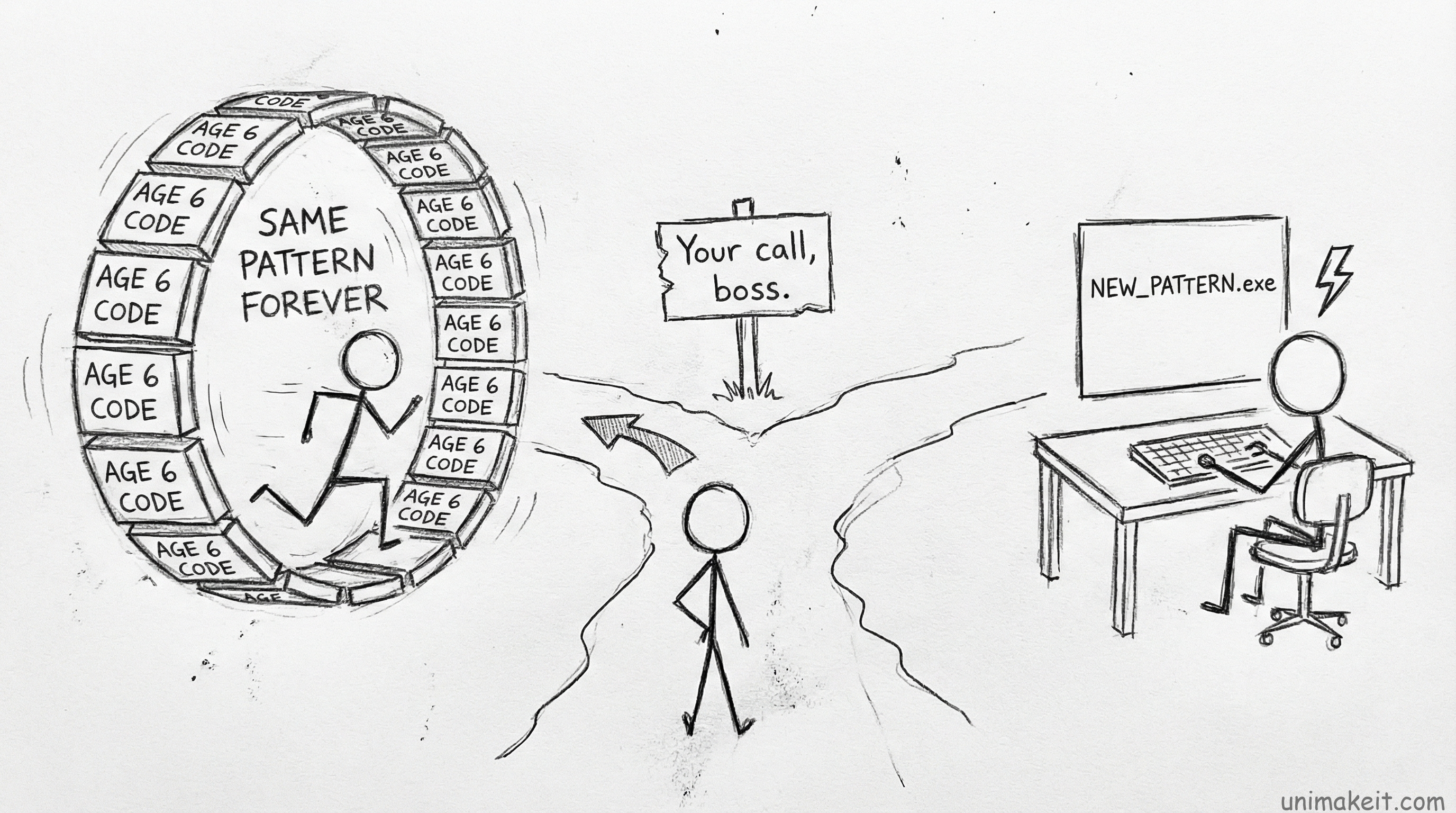
Your schemas aren’t personality traits. They’re not fixed. They’re code—code that you can debug.
The first step is seeing the code. The second is deciding if it still serves you. And the third is having the guts to run a different program, even though the old one feels safer.
Because here’s the thing: You can keep running six-year-old code and wondering why your forty-year-old problems won’t resolve. Or you can rewrite it. Your call, boss.
Links:
https://www.instagram.com/gittajacobofficial
https://www.amazon.com/Breaking-Negative-Thinking-Patterns-Self-Help-ebook/dp/B00RQECLNW


