


Morning, CEO!
Here’s a fun thing I’ve noticed: The smartest people I know are getting quieter.
Not because they have less to say.
But because when they do speak up, they get shut down with three words: “I know that.”
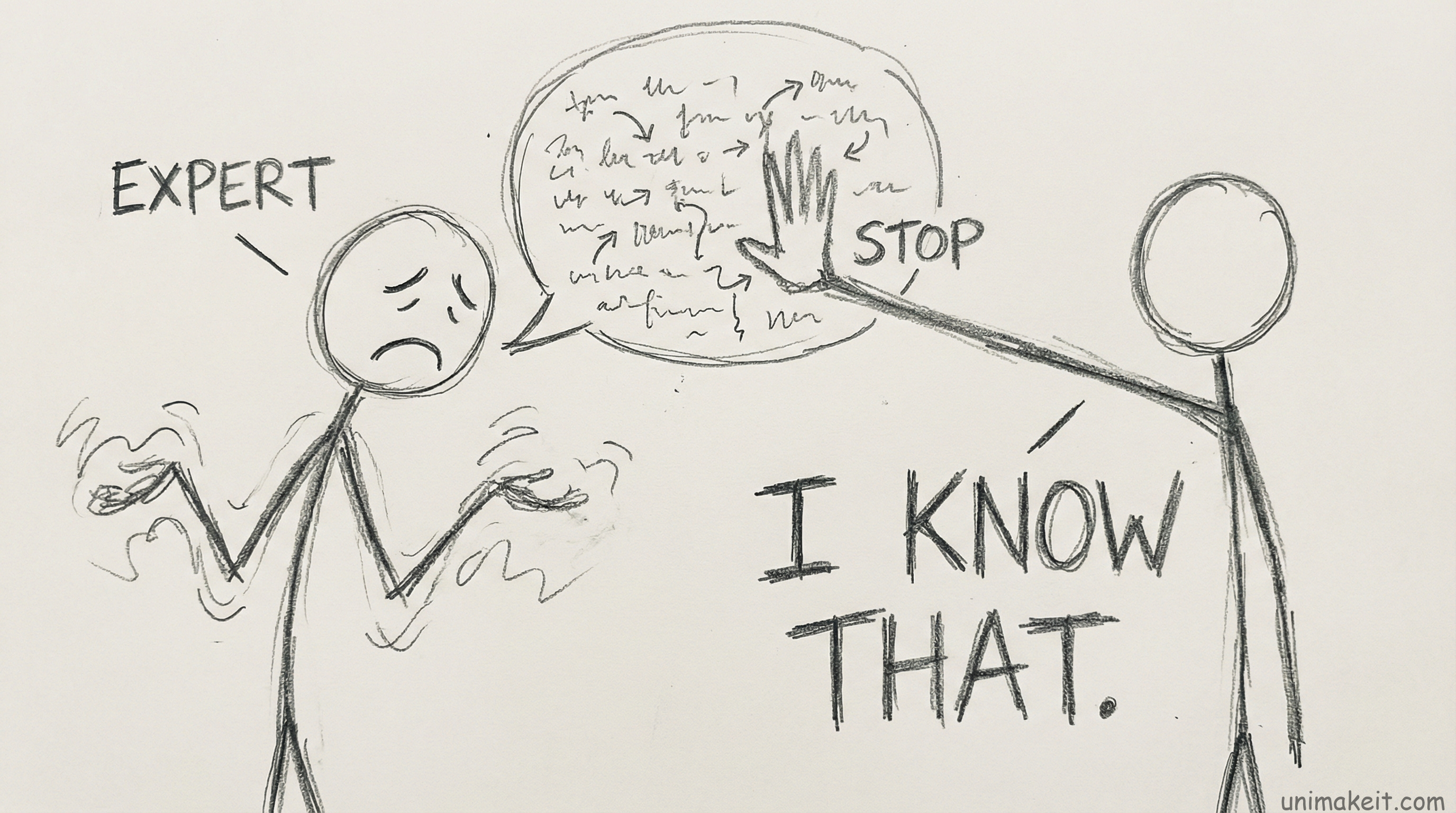
Thomas Nichols calls this “The Death of Expertise.”
And if you’re running your own operation—making calls, managing stakeholders, staying ahead of AI—you need to understand why this matters for your judgment.
1. The Customer Takeover (Or: When Everyone Became the Judge)
Let’s start with universities.
Before WWII, college was for the few. Getting in meant you passed serious filters. Graduating meant even more.
A degree was a signal: “This person knows stuff.”
Then America decided everyone should go to college.
Great idea in theory.
Terrible in execution.
New schools popped up everywhere. Quality became... negotiable.
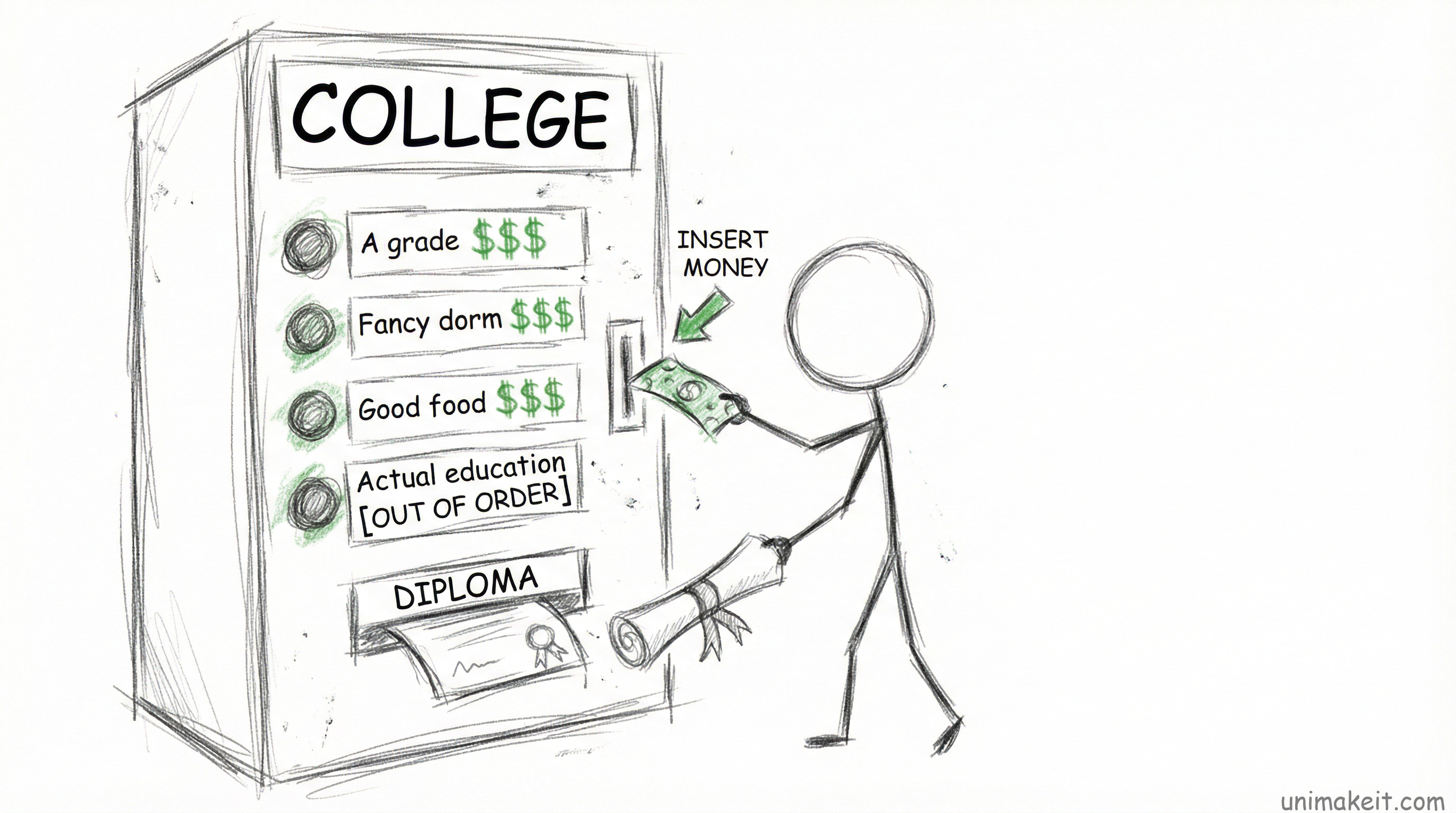
And suddenly, students became customers.
Which meant universities had to keep customers happy.
How?
Fancier dorms. Better food. More A’s.
(Harvard’s most common grade is now A-minus or above. Yale gives 60% of students A’s. Everyone is above average!)
But here’s the kicker:
Students also got to rate their professors.
And not on teaching quality.
On whether the chairs were comfortable.
Whether the professor’s shirt was ironed.
Whether they should “lose some weight.”
(Yes, Nichols got that feedback. I would’ve burned the evaluation form.)
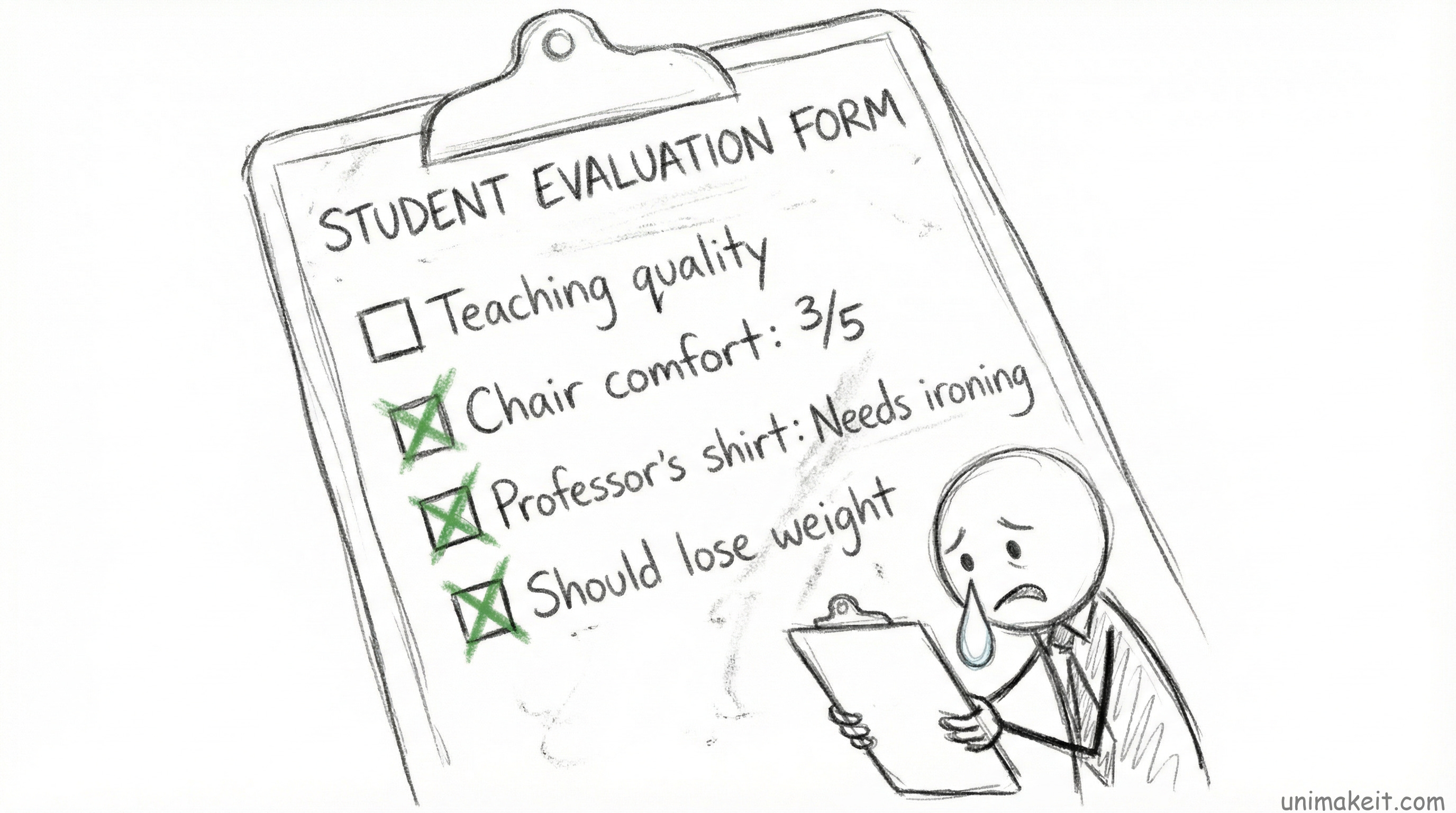
The result? A generation trained to believe: “Even though I know nothing about this subject, I’m qualified to judge the expert.”
Which brings us to you.
When you’re the one making decisions, you need to know when to trust specialists and when to push back.
But if your reflex is “I could’ve figured that out myself,” you’re not being discerning. You’re being a customer rating a professor’s shirt.
2. The Google Delusion (Or: How Searching Became “Knowing”)
Quick question:
Have you ever saved an article you never read but somehow felt smarter for having saved it?
Yeah. Me too.
That’s the Internet’s gift to humanity: The illusion that access equals understanding.
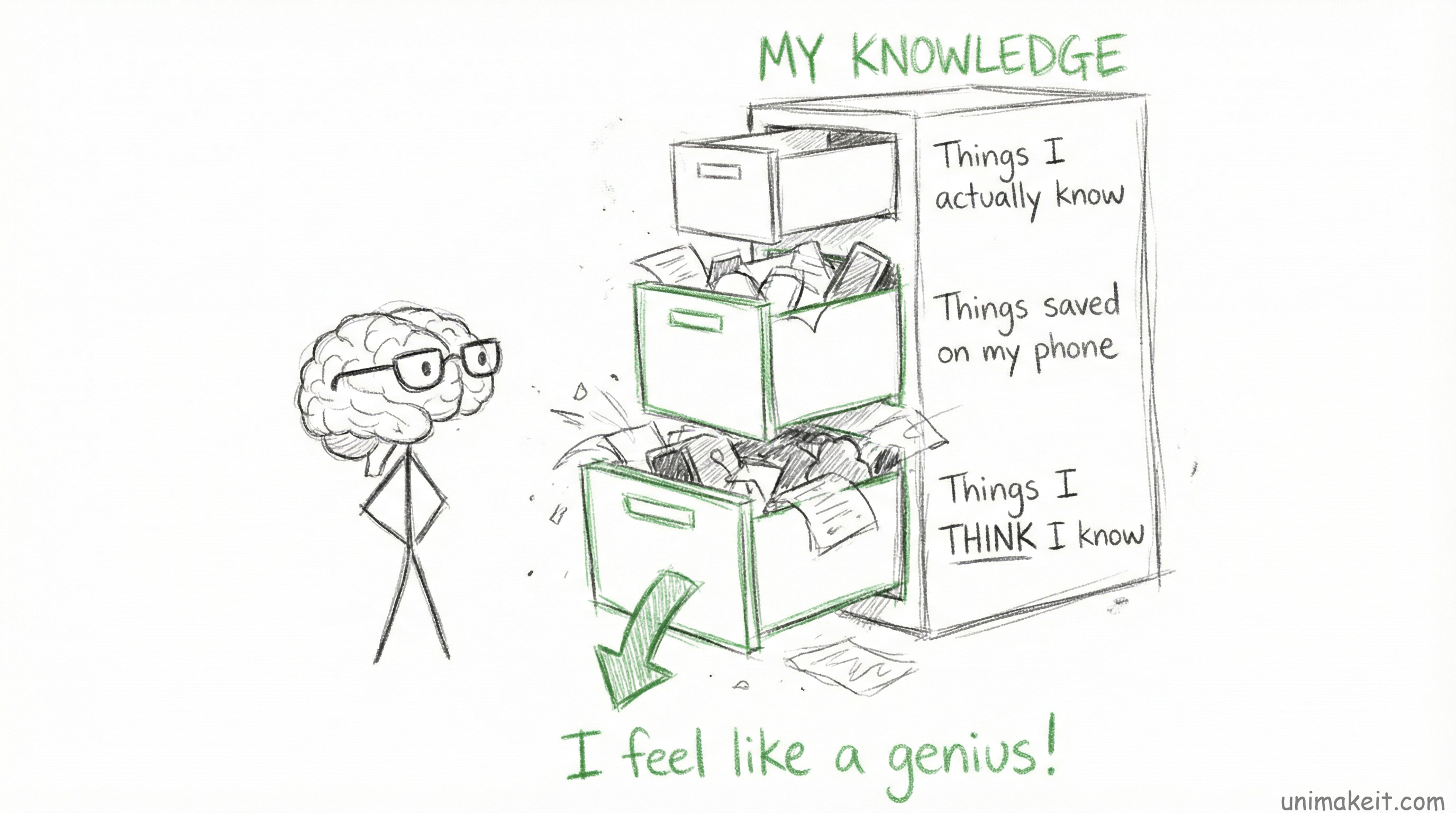
Yale researchers found that when people browse online, they mistake “outsourced knowledge” for “internalized knowledge.”
Translation: Googling something makes you feel like you learned it.
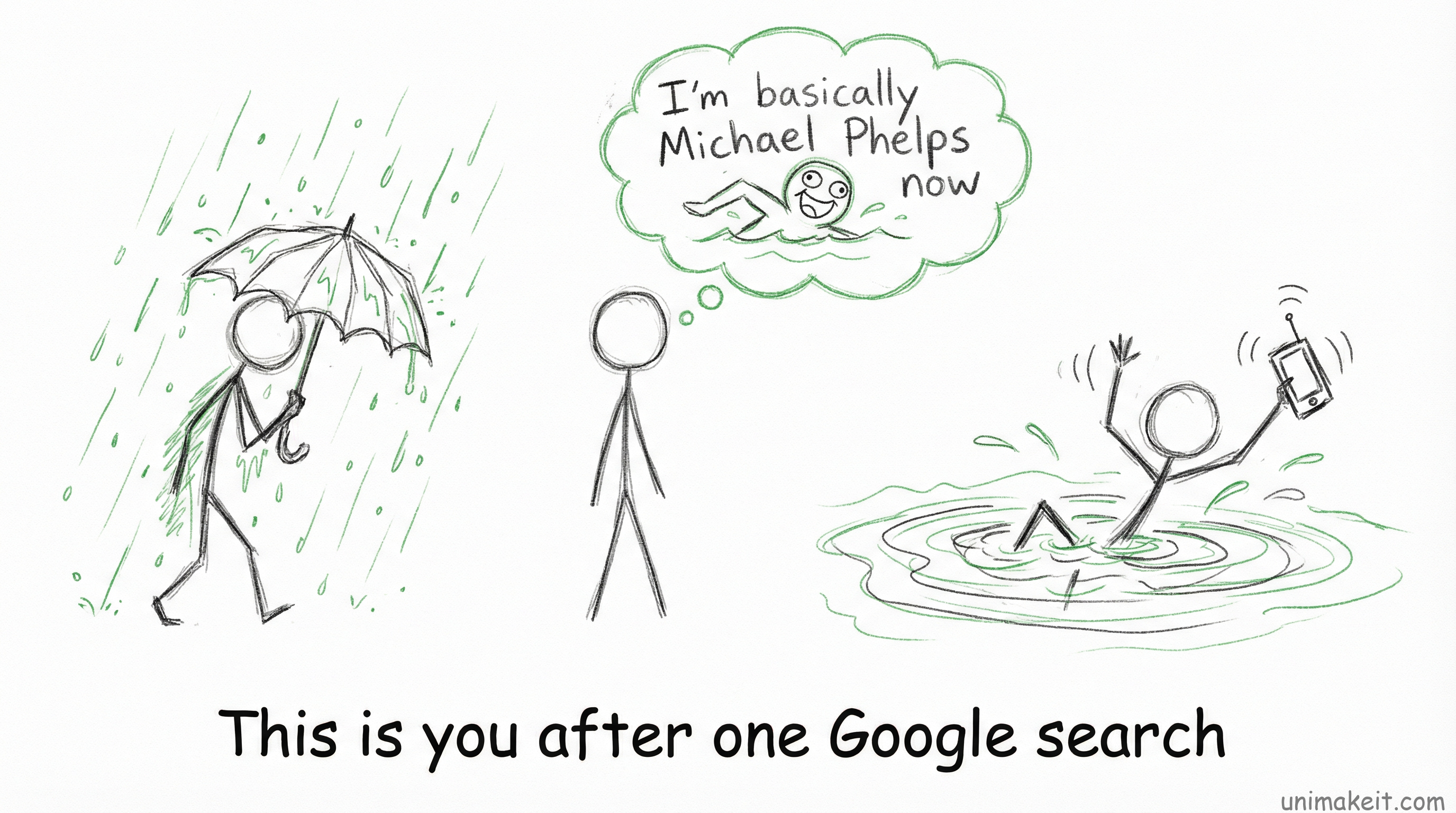
It’s like walking through a rainstorm and thinking you’re a swimmer.
But here’s where it gets worse:
The Internet doesn’t just make you feel smart. It makes you feel right.
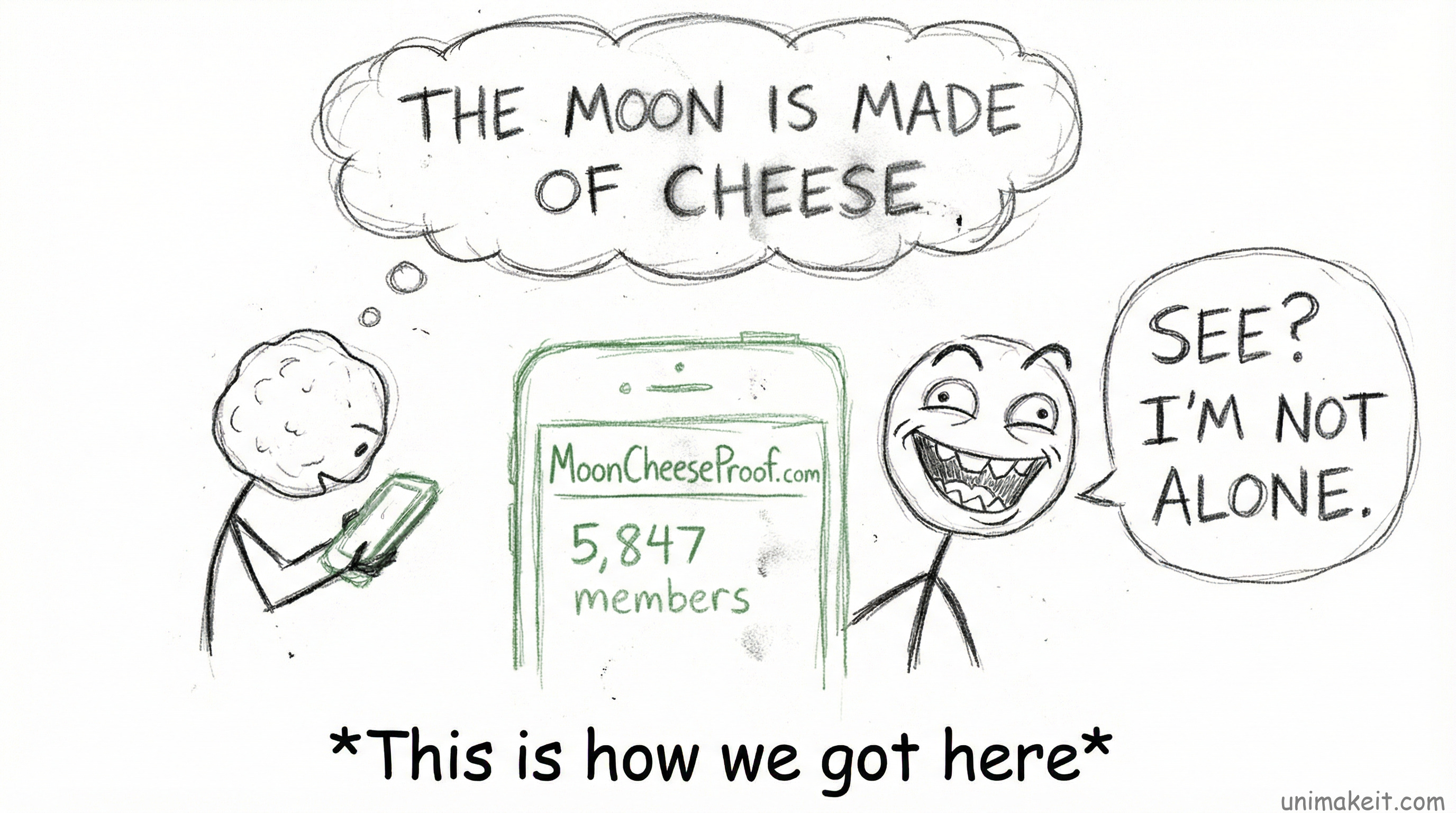
Because no matter what wild opinion you hold, somewhere online, someone agrees with you.
Think vaccines cause autism? There’s a website for that.
Think vinegar cures everything? Here are 47 TikToks.
And once you find your tribe, algorithms make sure you never have to see a dissenting view again.
So what kind of person does this create?
Someone who:
• Thinks they know a lot
• Barely reads anything deeply
• Can always find validation
In other words: Someone you cannot convince.
Now imagine you’re trying to influence a stakeholder who operates this way.
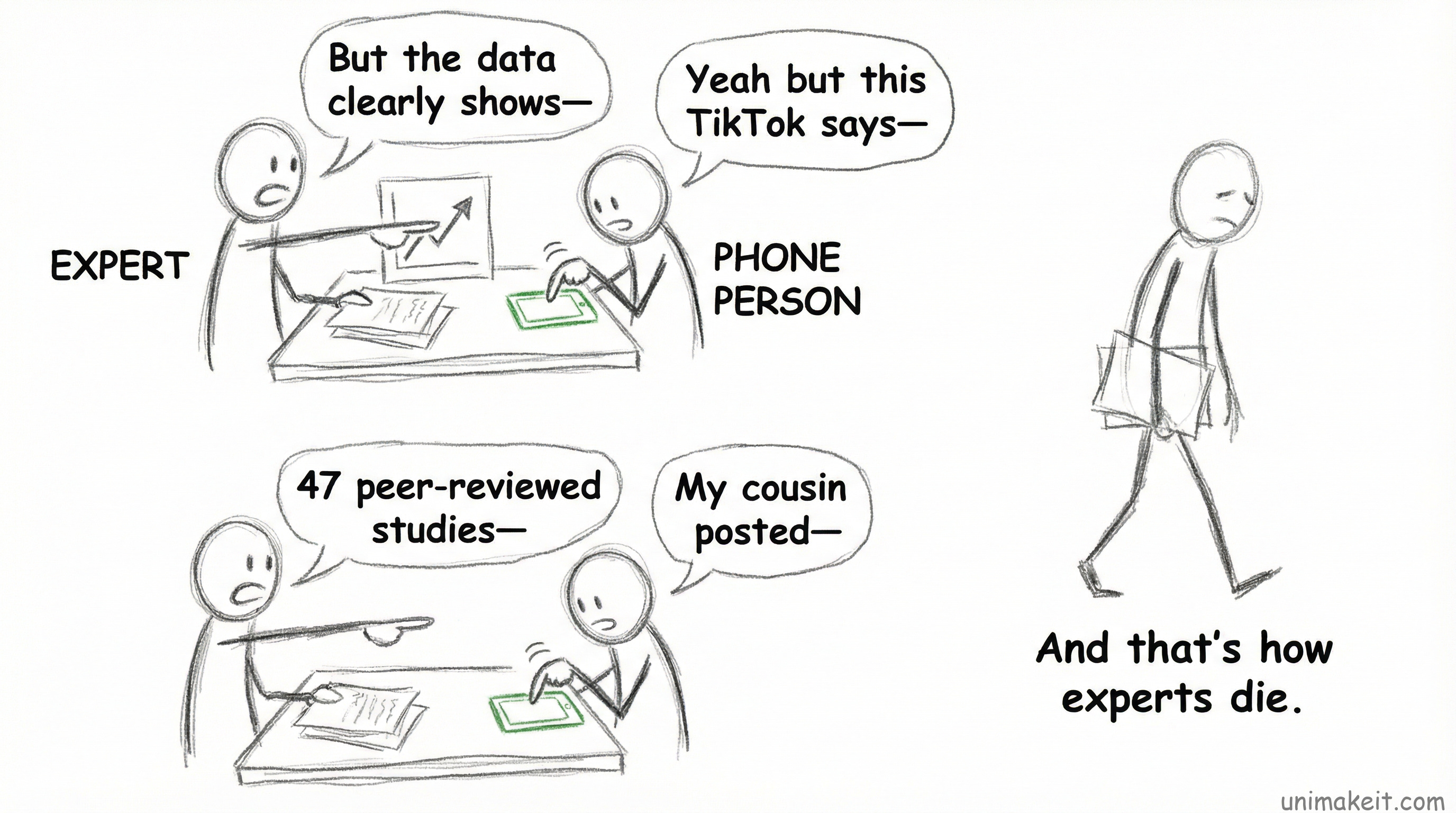
You present data. They Google a counterpoint.
You explain nuance. They send you a YouTube video.
You realize: This isn’t about facts. It’s about feelings.
Which means your job isn’t to be right. It’s to make the right answer feel right to them.
That’s the counterintuitive part: In a world drowning in information, expertise isn’t about knowing more. It’s about communicating in ways that land.
3. The Entertainment Trap (Or: When News Became Clickbait)
In 1960, American households had access to 3 TV channels.
By 2015? 189 channels.
More channels. More competition. More panic.
So media companies did what anyone does when they’re desperate for attention: They made everything entertaining.
CNN became “Chicken Noodle News”—watering down complex stories into bite-sized drama.
Fox News and MSNBC picked sides and played to their tribes.
And somewhere along the way, “news” stopped being about truth and started being about what you want to hear.
Example:
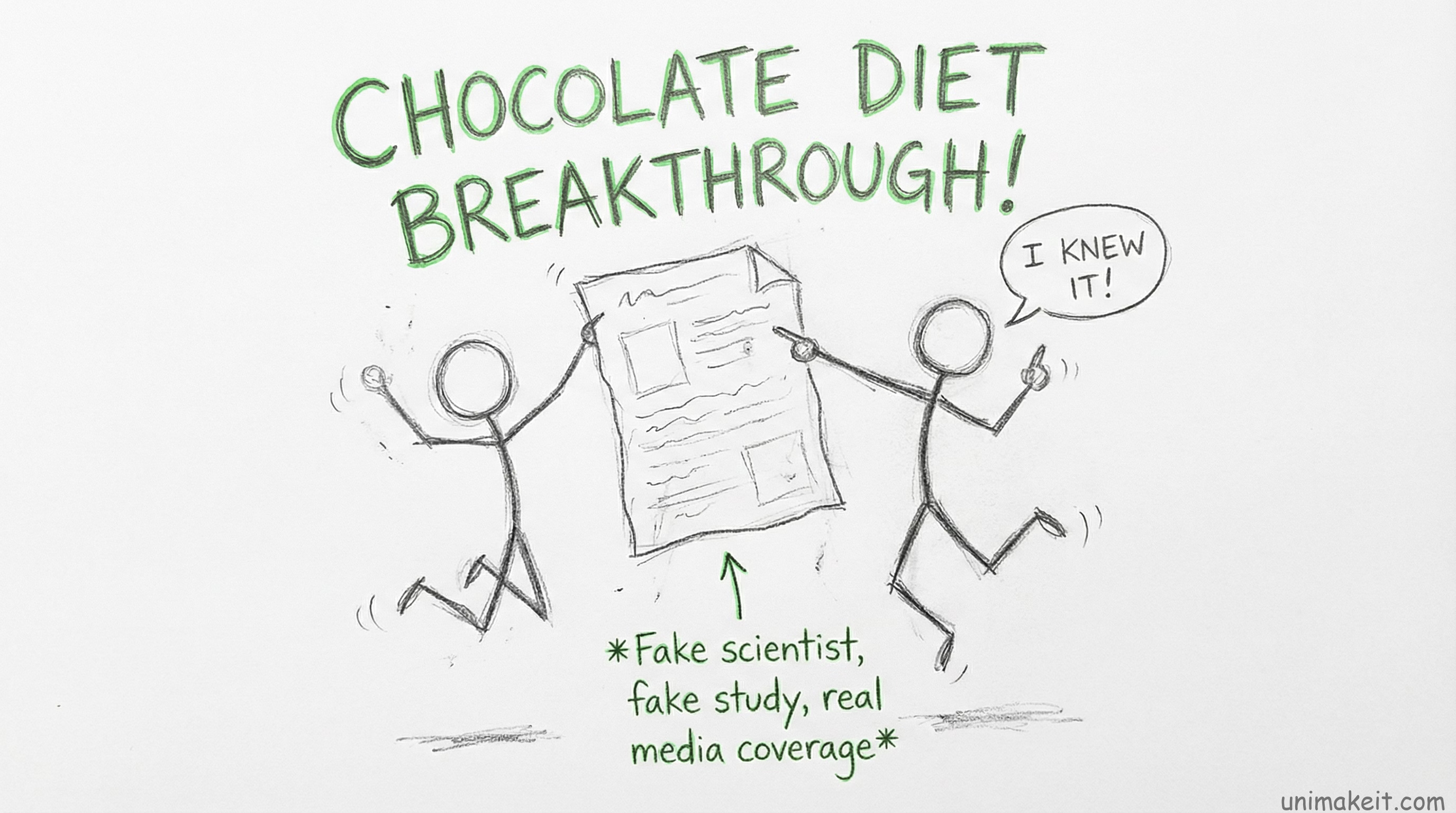
A fake study went viral claiming chocolate helps you lose weight.
It was published in a real journal. Picked up by media worldwide.
The study was fake. The scientist didn’t exist. The whole thing was designed to prove how easy it is to manipulate media.
(Spoiler: It’s very easy.)
But here’s what this does to people:
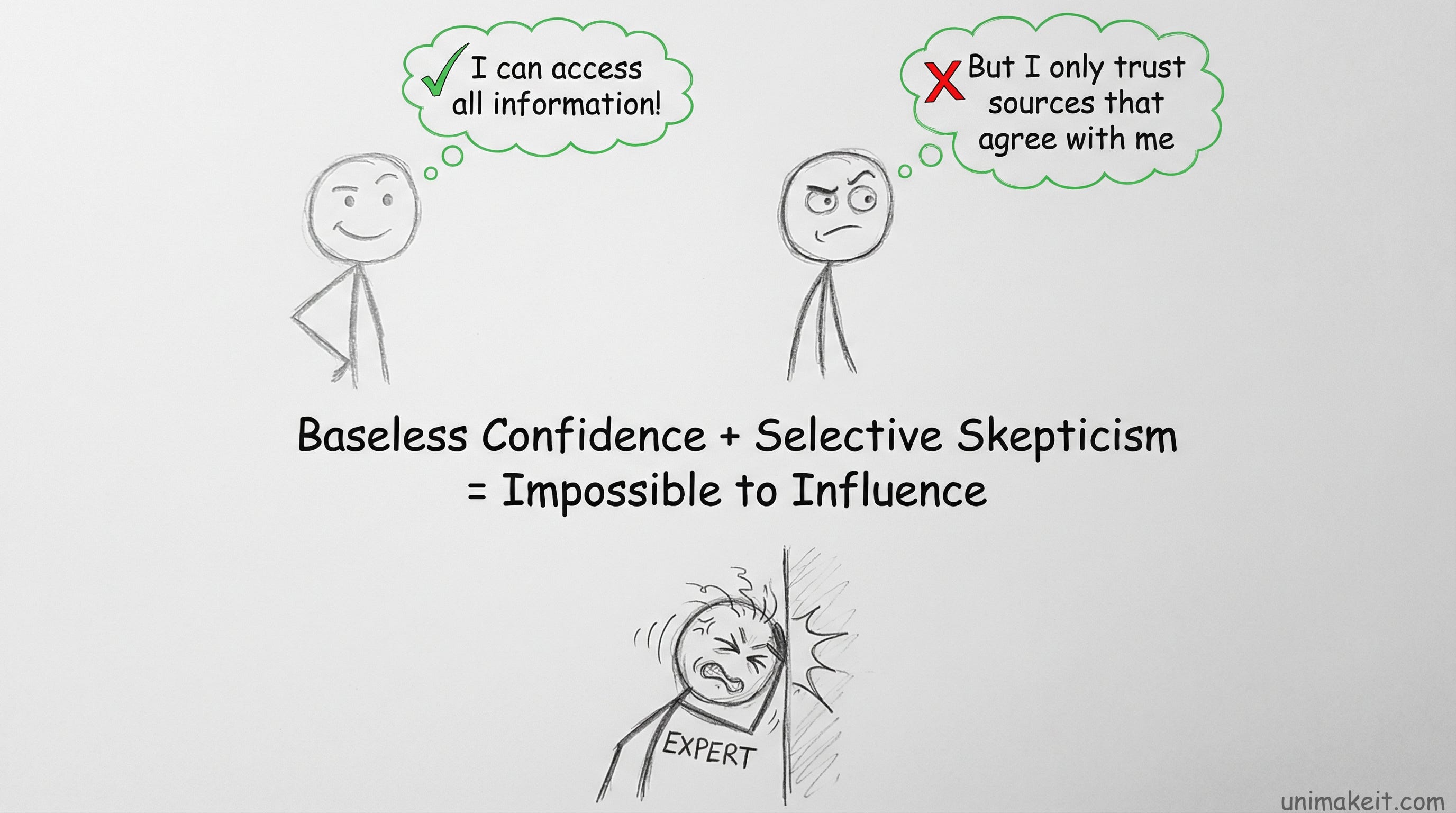
On one hand, they feel confident.
“I can access information anytime! I’m informed!”
On the other hand, they feel suspicious.
“But which source is right? I’ll just pick the one I like.”
The result? Confidence + skepticism = Impossible to influence.
Which brings us back to you.
When you’re presenting an idea, you’re not just competing with other ideas.
You’re competing with every media outlet, influencer, and algorithm that’s already shaped how your audience thinks.
So what do you do?
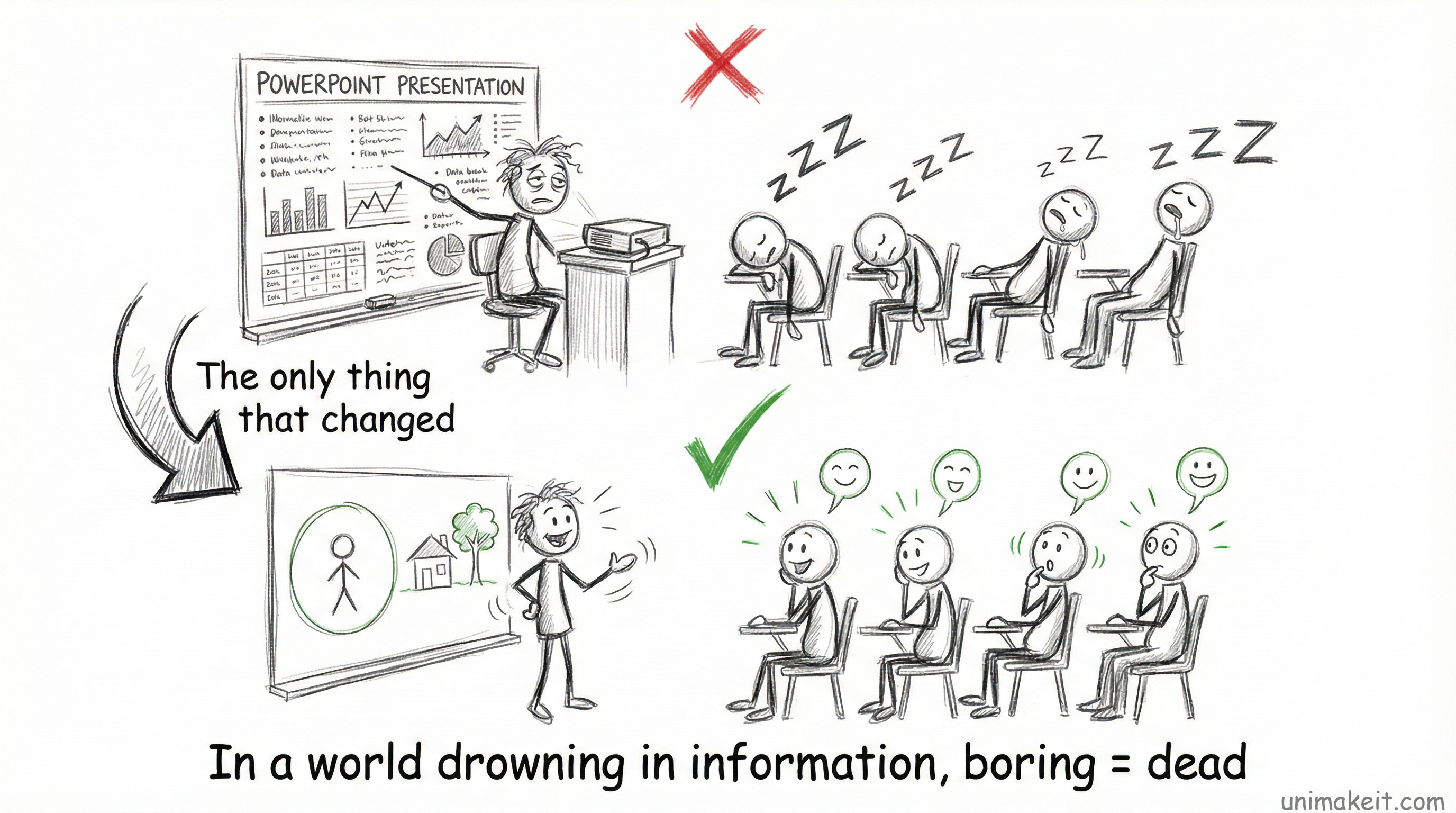
You stop trying to win with logic. You win with narrative.
Make your point entertaining.
Make it memorable.
Make it feel true before you prove it’s true.
Because if experts are dying, it’s not because they’re wrong. It’s because they’re boring.
So here’s the punch line:
We live in an age where everyone thinks they know everything.
And the smarter you get, the quieter you’ll be tempted to become.
But silence isn’t the answer.
Better communication is.
Stop assuming people will respect your expertise.
Start making your expertise impossible to ignore.
P.S.
The irony of this newsletter isn’t lost on me.
I’m writing about how hard it is to communicate expertise...
...in a format designed to make complex ideas digestible...
...which is exactly what got us into this mess.
But here we are. Trying anyway.
That’s the job.
Links:
https://x.com/RadioFreeTom
https://www.amazon.com/Death-Expertise-Campaign-Established-Knowledge/dp/0190469412


