

Evening, CEO!
If you write code, you know Cursor. If you don’t write code, just know that they are the reason your engineer friends have stopped complaining about semicolons and started complaining about “AI alignment” instead.
Here is a number for you: $20 Billion.
That is what Cursor is currently valued at.
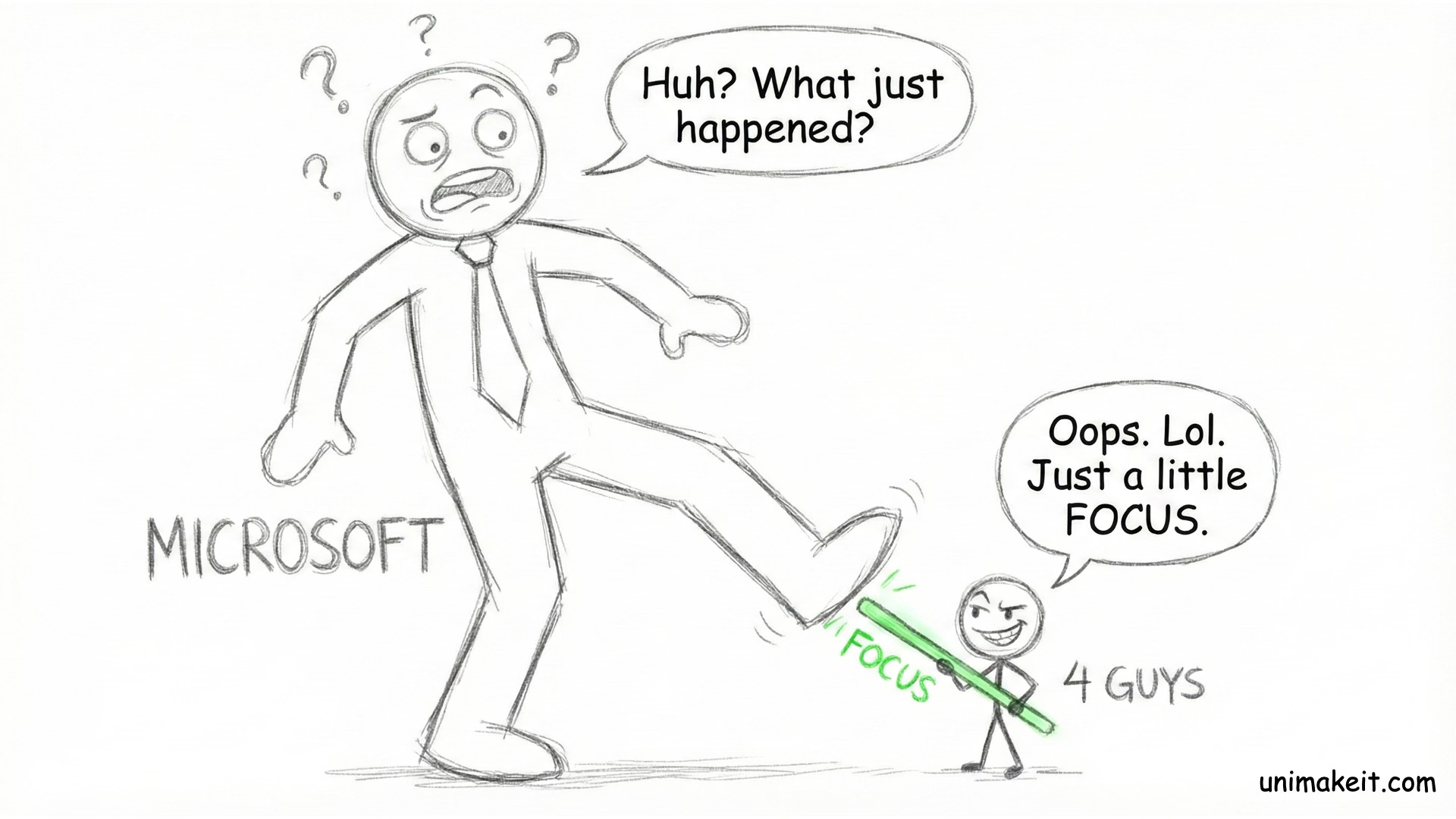
Less than three years ago, the company was basically four guys in a room trying to figure out how to split a pizza bill.
Then, something ridiculous happened. They went from zero dollars to $100 million in Annual Recurring Revenue (ARR) in just 20 months.
To put that in perspective: That shouldn’t be possible. It breaks the laws of physics in the SaaS universe. Slack didn’t do that. Zoom didn’t do that.
Cursor didn’t just grow; they strapped themselves to a rocket, lit the fuse, and seemingly forgot to install the brakes.
I recently went down a rabbit hole watching interviews with their CEO, Michael Truell. He and his co-founders are all in their mid-20s.
So, how did they do it?
1. The “Blind Man and the Elephant” Problem
Here is a fun fact: Cursor didn’t start as a coding tool.
They started as “Cursor for Mechanical Engineers.”
They wanted to use AI to help people design cars and bridges in CAD software.
There was just one tiny, insignificant problem.
None of them were mechanical engineers.
They had literally no idea what a mechanical engineer did all day. They spent months building models and calling engineers, asking, “So... what is it you do here?”
Michael calls this the “Blind Man and the Elephant” problem. They were groping around in the dark, trying to optimize a job they didn’t understand.
I feel this in my soul.
This is exactly like the time I decided I was going to be a “finance influencer” and analyze healthcare stocks, despite my main investment strategy being “panic and hope.”
The Lesson:
If you don’t have “domain intuition,” you are just a tourist.
The Cursor team eventually quit the CAD idea and went back to what they actually knew: Coding.
Suddenly, everything clicked. Because they were their own users.
Note to self: Stop trying to disrupt industries I learned about on Wikipedia five minutes ago.
2. The Art of Being Aggressively Boring
Back in 2023, every AI startup was trying to build “Science Fiction.”
Everyone promised: “Our AI agent will write the entire app for you while you sip a margarita!”
I admit, I fell for it. I love the idea of doing zero work.
But Cursor did something incredibly boring.
They didn’t try to reinvent the wheel. They just forked VS Code.
They took the existing editor everyone uses and made it slightly better with AI.
My brain screams: “Make a plugin! It’s easier! Or build a whole new sci-fi interface! That’s cooler!”
But Cursor wanted to own the surface.
They knew that if they were just a plugin, they were a guest in someone else’s house. If they were the editor, they were the landlord.
The Lesson:
Sometimes the smartest move is the one that looks the most boring on a slide deck.
3. The Introvert’s Nightmare (A.K.A. Hiring)
This part makes my palms sweat just thinking about it.
Cursor has grown massively, but they still do something terrifying for their engineering candidates.
The Two-Day Work Trial.
It doesn’t matter if you are a genius. You have to fly to their office, sit at a desk for two days, and actually work on their code.
Michael says this filters for people who are “Agentic”—people who figure stuff out without needing a manual.
It works.
They keep their talent density insanely high because they don’t hire based on how well you can talk. They hire based on how well you can suffer through a problem.
Michael even flies across the world to convince candidates who said “No” to change their minds.
The Lesson:
Great teams are built by doing the hard, awkward things that efficient people try to avoid.
The Bottom Line
Digging into their story left me feeling two things:
Inspired by their discipline and clarity.
Deeply aware of my own chaotic approach to life.
Cursor won because they stopped pretending to be experts in things they weren’t, and they focused on the one thing they actually understood.
I’m going to try to apply that to my life.
Right after I finish overthinking this article and panicking about whether it’s worth reading.
Links:
https://mntruell.com/
https://cursor.com/


